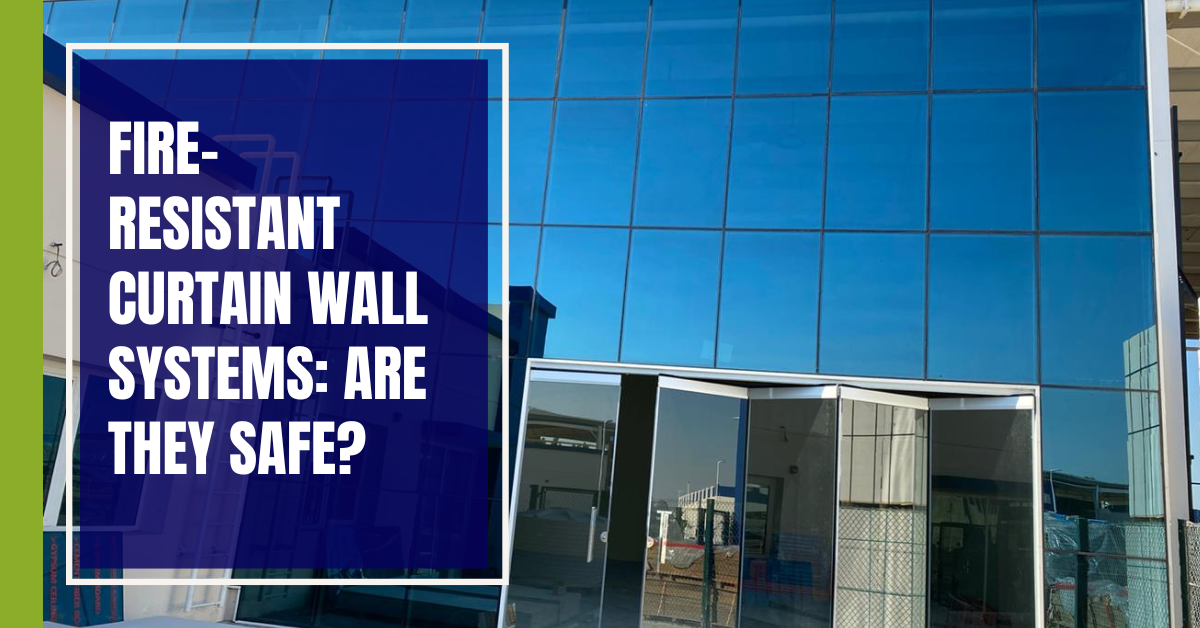
Modern commercial architecture is defined by glass. From high-rise office towers to shopping malls and hospitals, curtain wall systems have become a standard feature in contemporary building design. They enhance aesthetics, maximize natural light, and improve energy efficiency. However, one critical question remains for architects, developers, and property owners: Are fire-resistant curtain wall systems truly safe?
The short answer is yes—when properly designed, tested, and installed, fire-resistant curtain wall systems provide a high level of protection and significantly improve building safety. In this article, we will explore how they work, why they matter, and what makes them reliable in real-world fire situations
What Is a Fire-Resistant Curtain Wall System?
A curtain wall system is a non-structural outer covering of a building. It is typically made of aluminum frames and glass panels, and it does not carry the building’s structural load. Instead, it protects the interior from weather, wind, dust, and moisture.
A fire-resistant curtain wall system is specially engineered to slow down or prevent the spread of fire and smoke between floors and compartments. These systems use fire-rated glass, fire-resistant framing materials, insulation, and perimeter fire barriers to maintain the building’s integrity during a fire emergency.
Why Fire Safety in Curtain Walls Is Important
In multi-story buildings, one of the biggest fire risks is vertical fire spread. Flames and hot gases can escape through broken windows and travel upward along the building’s façade, entering the floors above. This is known as the “chimney effect.”
Without proper fire protection, curtain walls can allow fire to spread rapidly from one floor to another. This not only increases property damage but also puts lives at serious risk.
Fire-resistant curtain wall systems are designed to:
- Contain fire within one floor or compartment
- Reduce flame spread across the façade
- Maintain structural stability for a specific time period
- Provide safe evacuation time for occupants
By controlling fire movement, these systems play a critical role in modern building safety strategies.
How Fire-Resistant Curtain Wall Systems Work
Fire-resistant curtain wall systems rely on several integrated components working together:
1. Fire-Rated Glass
Unlike standard tempered or laminated glass, fire-rated glass can withstand high temperatures for a specified duration, such as 30, 60, or 120 minutes. Some types also limit heat transfer, preventing the fire from igniting materials on the other side.
2. Fire-Resistant Framing
Aluminum frames in fire-rated systems are often reinforced with fire-resistant materials. These frames are designed to maintain their integrity under extreme heat.
3. Perimeter Fire Barriers
One of the most critical elements is the perimeter fire barrier between the floor slab and the curtain wall. This area is highly vulnerable during a fire. Fire-resistant insulation and sealants are installed to prevent flames and smoke from passing through this gap.
4. Compartmentation Design
Modern buildings are divided into fire compartments. Fire-resistant curtain walls support this design by maintaining separation between floors and building sections.
When these elements are tested and certified in accordance with international fire safety standards, they provide proven fire-resistance performance.
Are Fire-Resistant Curtain Wall Systems Truly Safe?
Yes, but safety depends on three major factors:
1. Proper Testing and Certification
Fire-resistant systems must be tested in accordance with recognized standards, such as ASTM, EN, or BS fire testing standards. Certified products ensure that the system can withstand fire exposure for a defined time period.
2. Correct Installation
Even the best materials can fail if installed incorrectly. Professional installation ensures that fire barriers, sealants, and framing are properly aligned and secured.
3. Regular Inspection and Maintenance
Over time, building movement, renovations, or damage can affect fire-stopping materials. Routine inspections help maintain long-term safety.
When these conditions are met, fire-resistant curtain wall systems are considered highly reliable and safe.
Benefits of Fire-Resistant Curtain Wall Systems
Beyond safety compliance, these systems offer multiple advantages:
Enhanced Life Safety
They slow the spread of fire, giving occupants more time to evacuate safely.
Code Compliance
Most modern building codes require fire-rated façade solutions, especially in high-rise buildings.
Structural Protection
By limiting fire damage, they help protect the building’s structural elements.
Insurance Advantages
Buildings with certified fire-resistant systems may qualify for better insurance terms.
Design Flexibility
Today’s fire-rated glass solutions allow architects to maintain transparent, modern designs without compromising safety.
Common Misconceptions
“All Glass Curtain Walls Are Fireproof”
This is not true. Standard glass can shatter quickly under high heat. Only certified fire-rated glass provides real fire resistance.
“Fire-Resistant Means Fireproof”
No material is completely fireproof. Fire-resistant systems are designed to withstand fire for a specific duration, not indefinitely.
“They Are Only Needed in High-Rise Buildings”
While high-rise buildings are at greater risk, even mid-rise commercial buildings benefit from fire-rated façade systems.
Key Considerations Before Installation
If you are planning to install a fire-resistant curtain wall system, consider the following:
- Verify product certification and fire test reports
- Ensure compatibility with local building codes
- Hire experienced façade contractors
- Check perimeter fire barrier design
- Plan for long-term maintenance
Consulting with fire safety engineers during the design phase can further improve overall building protection.
The Future of Fire-Resistant Façade Technology
As awareness of building safety increases, manufacturers are continually improving fire-resistant materials. Modern innovations include:
- Advanced intumescent materials
- High-performance fire-rated glazing
- Improved thermal and acoustic insulation
- Sustainable, energy-efficient fire-rated systems
As safety regulations worldwide become stricter, fire-resistant curtain wall systems are expected to become standard rather than optional.
Why is 12mm glass essential for curtain wall systems? Learn about its strength, safety, and performance advantages. Click the link to find out more
Conclusion
So, are fire-resistant curtain wall systems safe?
When properly designed, tested, certified, and installed, they are not only safe but essential for modern building protection. They play a crucial role in preventing vertical fire spread, protecting structural integrity, and saving lives.
In today’s construction environment, where safety standards are becoming increasingly strict, investing in a fire-resistant curtain wall system is a responsible and forward-thinking decision. It ensures regulatory compliance, enhances occupant safety, and protects valuable property assets.
For any commercial or high-rise project, fire-resistant façade systems are no longer a luxury—they are a necessity.