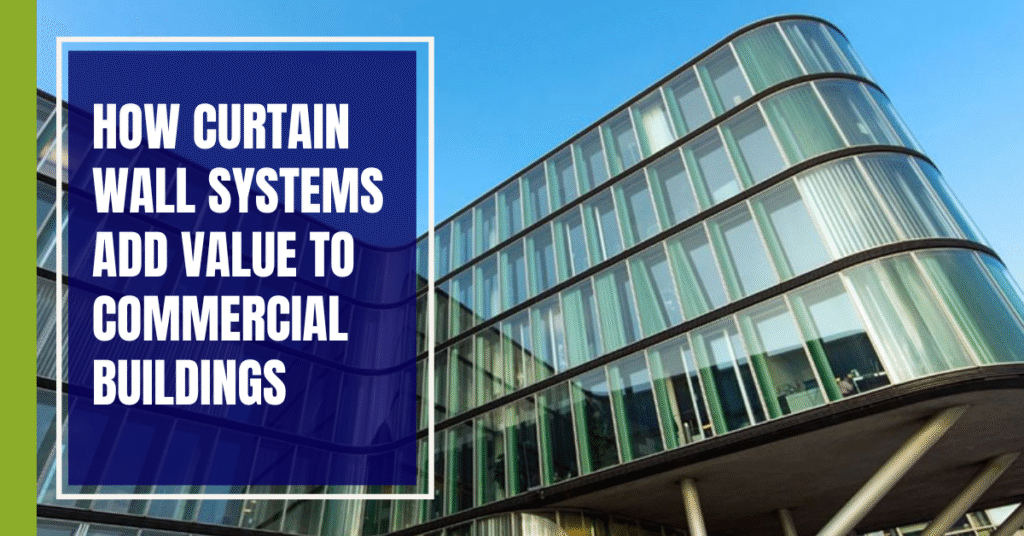
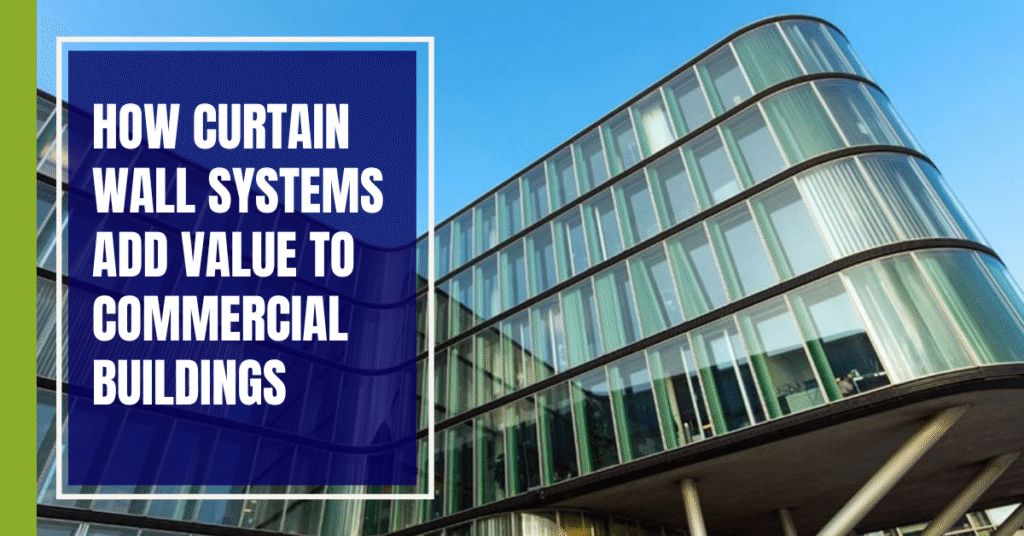
Modern commercial architecture focuses on more than functionality; it emphasizes efficiency, sustainability, and visual impact. Curtain wall systems have become an essential element in contemporary commercial buildings because they successfully combine all these aspects of energy efficiency. These systems enhance the exterior appearance of buildings while improving their performance and long-term value.
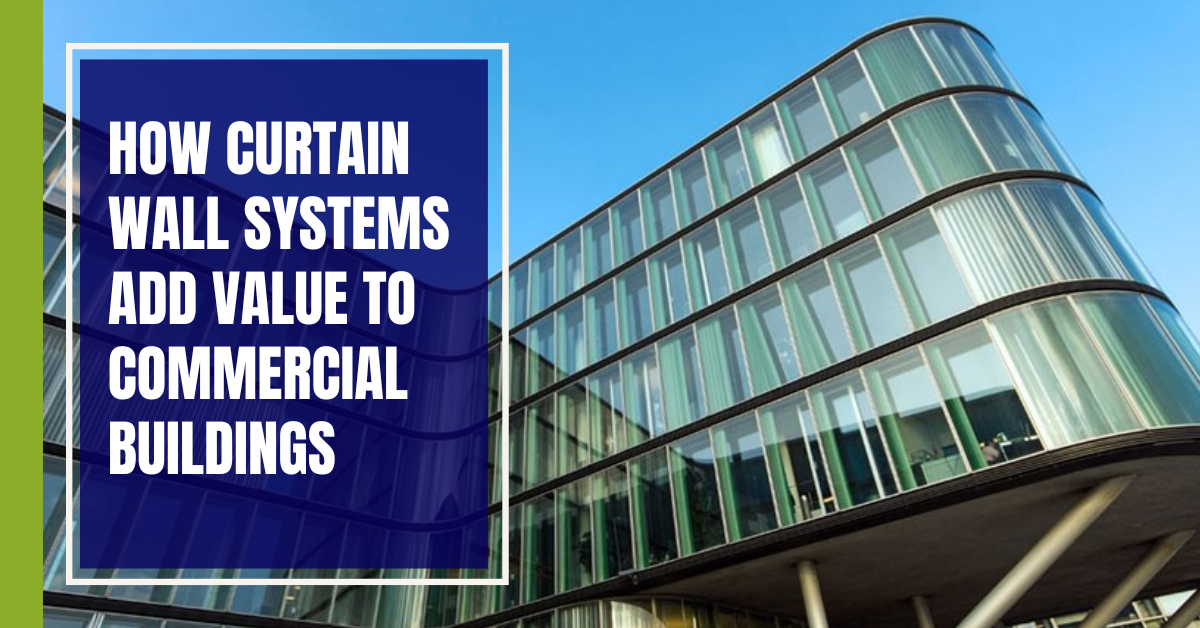
A curtain wall system is a non-structural outer covering attached to a building frame. It is designed to resist environmental forces, such as wind and rain, while allowing natural light to enter the interior. Curtain wall systems, commonly constructed from glass and aluminum, are widely used in office buildings, shopping malls, hospitals, hotels, and high-rise commercial structures.
Architectural Appeal and Modern Design
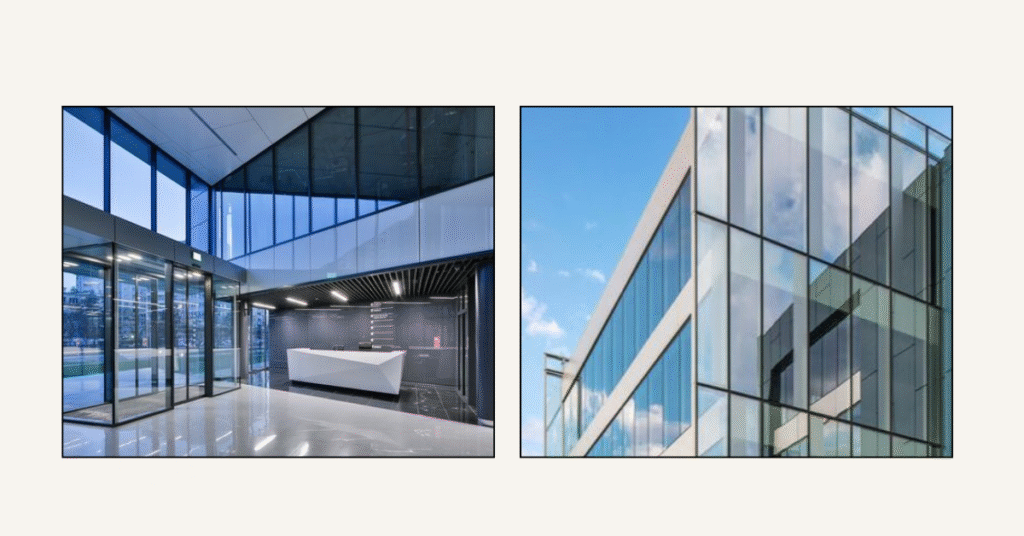
One of the most significant contributions of curtain wall systems is their ability to transform the appearance of commercial building. Glass façades create a sleek, professional, and contemporary appearance that aligns with modern urban environments. A visually appealing building enhances the brand image and creates a strong first impression for visitors, clients, and tenants.
Commercial properties with modern curtain-wall designs often stand out in competitive real estate markets. Their attractive exteriors increase market demand and help property owners achieve higher rental and resale values.
Natural Light and Improved Indoor Environment
Curtain wall systems play a crucial role in maximizing natural daylight use. Large glass panels allow sunlight to penetrate deep into buildings, creating bright and welcoming indoor spaces. This reduces the reliance on artificial lighting and improves the overall occupant comfort.
In office environments, access to daylight is linked to higher productivity, better focus, and improved employee well-being. Consequently, commercial buildings with curtain wall systems have become more attractive to corporate tenants seeking high-quality workspaces.
Energy Efficiency and Thermal Performance
Energy efficiency is a top priority in modern commercial construction, and curtain wall systems contribute significantly to this area. Advanced glazing technologies, including double-glazing and low-emissivity glass, help regulate indoor temperatures by minimizing heat transfer.
These energy-efficient features reduce the heating and cooling demands, thereby lowering the energy consumption and operating costs. Buildings with improved thermal performance are not only cost-effective but also more appealing to environmentally conscious businesses and investors than conventional buildings.
Protection Against Weather and Environmental Factors
Curtain wall systems are engineered to protect commercial buildings from harsh environmental conditions. They provide resistance to wind loads, moisture penetration, dust, and temperature variations. A properly designed and installed curtain wall system ensures long-term durability and structural safety of the building.
By minimizing water infiltration and air leakage, curtain wall systems help prevent interior damage and reduce maintenance requirements, thereby adding further value to commercial properties.
Lightweight Construction and Structural Benefits
Unlike traditional masonry walls, curtain wall systems are lightweight and impose minimal load on the building’s structural framework. This reduced weight allows for greater architectural flexibility and can result in cost savings during the construction phase.
In high-rise commercial buildings, the lightweight nature of curtain walls is especially beneficial because it improves structural efficiency and supports innovative building designs.
Design Flexibility and Customization Options
Curtain wall systems offer exceptional design and customization flexibility. Architects can choose from a wide range of glass types, finishes, colors, and configurations to match a building’s purpose and corporate identity.
This adaptability allows developers to create unique and recognizable commercial buildings that align with branding requirements while also meeting functional and performance standards.
Sustainability and Green Building Standards
Sustainability has become a key factor in commercial real estate developments. Curtain wall systems support environmentally responsible building practices by improving energy efficiency and reducing the carbon emissions.
Many modern curtain wall designs contribute to green building certifications, enhancing the reputation and long-term market value of buildings. Sustainable buildings are increasingly preferred by tenants, investors, and regulatory authorities alike.
Increased Market Value and Investment Returns
Commercial buildings equipped with curtain wall systems often achieve higher market value because of their modern appearance, energy efficiency, and low maintenance needs. These features make properties more competitive in the real estate market and attractive to high-quality tenants.
For investors and developers, curtain wall systems represent a strategic investment that delivers long-term financial benefits through higher occupancy rates and improved asset values.
Classic Glass Works offers premium aluminum and uPVC fabrication along with expert 12mm glass installation, ensuring strength, safety, and durability. Using modern techniques and precise workmanship, the company delivers reliable solutions for both commercial and residential projects with a focus on quality and visual appeal.
Conclusion
Curtain wall systems add significant value to commercial buildings by combining modern design, energy efficiency, durability, and sustainability features. Their ability to enhance aesthetics, reduce operating costs, and create comfortable indoor environments makes them vital elements of contemporary commercial architecture. As the demand for high-performance and visually appealing buildings continues to grow, curtain wall systems will remain a key factor in increasing the commercial properties’ long-term value.