Modern architecture is evolving rapidly, with a strong focus on sustainability, aesthetics, and energy performance. One of the most innovative glazing solutions that meets these demands is Spider Glass. Known for its sleek, frameless appearance and high-performance capabilities, Spider Glass is widely used in commercial buildings, shopping malls, offices, and luxury homes. Beyond its visual appeal, Spider Glass plays a critical role in improving natural light penetration and enhancing energy efficiency.
This article explains how Spider Glass works, its benefits, and why it is an essential component of energy-efficient, sustainable building design.
What Is Spider Glass?
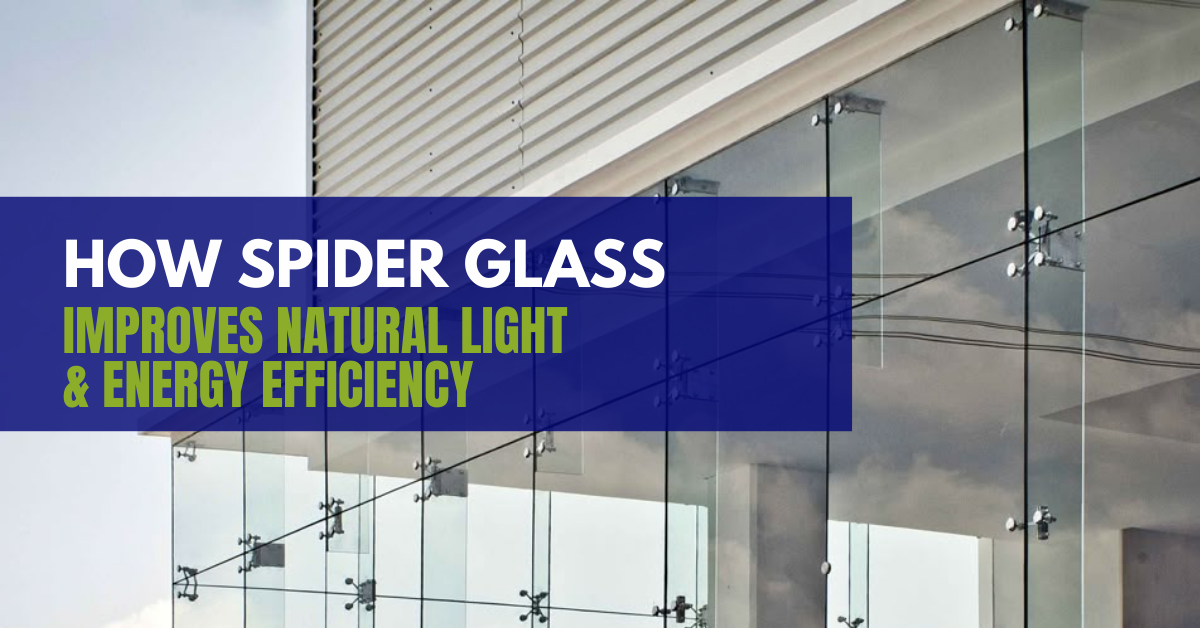
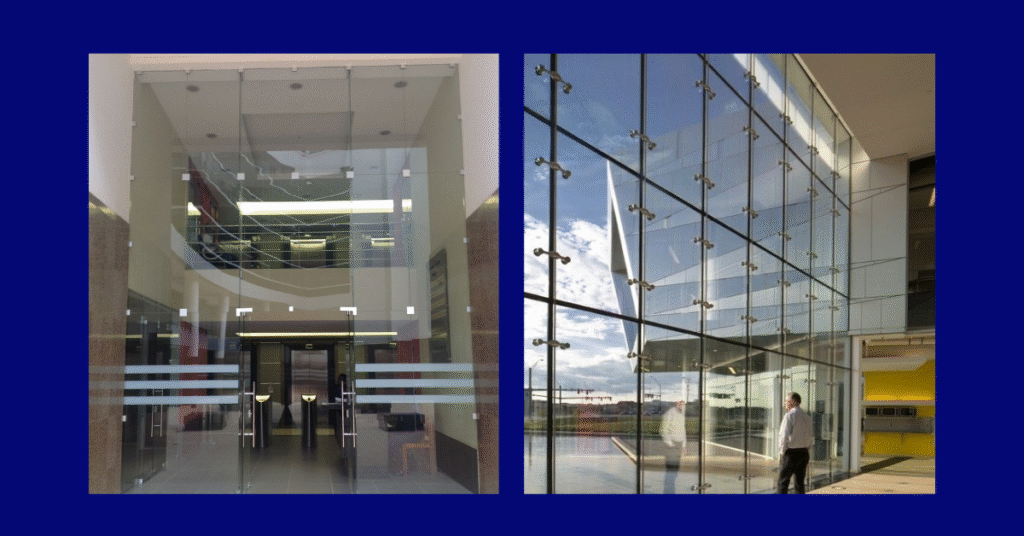
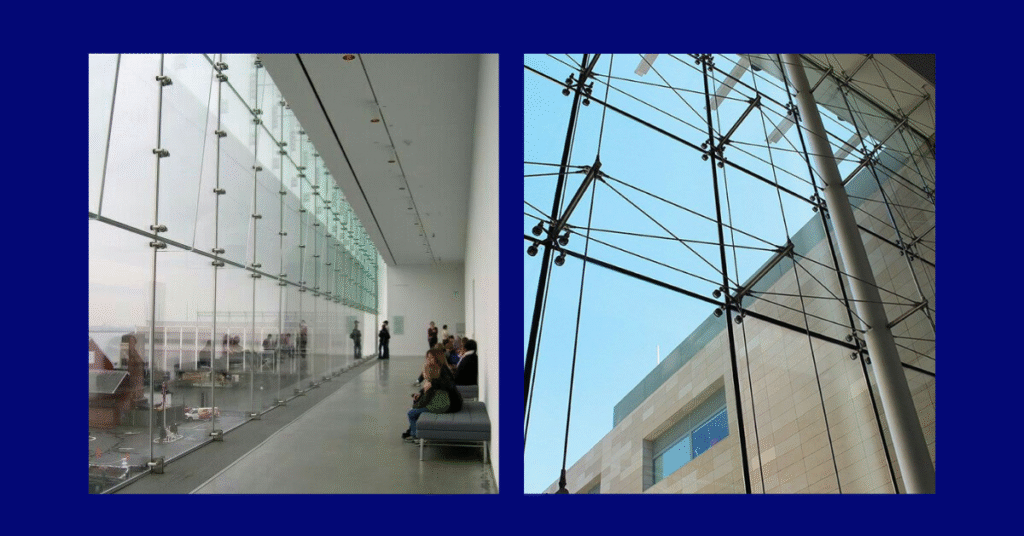
Spider Glass, also known as spider glazing or point-supported glass, is a structural glass system that uses stainless-steel spider fittings to support glass panels. Unlike traditional window systems that rely on bulky frames, Spider Glass uses minimal hardware, allowing large glass panels to remain unobstructed.
The spider fittings connect the glass to structural supports such as steel columns, glass fins, or tension rods. This design creates a transparent, frameless look that maximises light transmission while maintaining structural stability.
Maximising Natural Light with Spider Glass
One of the biggest advantages of Spider Glass is its ability to let in maximum natural light. Natural light is essential for both visual comfort and energy savings.
1. Frameless Design Increases Light Transmission
Traditional windows and curtain walls often include thick frames that block a portion of incoming light. Spider Glass eliminates most of these obstructions. The result is a clear, uninterrupted glass surface that allows sunlight to enter freely.
This improves indoor brightness and reduces dependence on artificial lighting during the day.
2. Larger Glass Panels Allow More Sunlight
Spider Glass systems can support large glass panels without heavy framing. Larger panels mean fewer joints and less visual interruption, allowing more sunlight to enter the interior space.
Buildings with Spider Glass façades often appear brighter, more open, and more inviting.
3. Improved Indoor Environment and Comfort
Natural light has several benefits for building occupants:
- Enhances mood and productivity
- Reduces eye strain
- Creates a more comfortable and healthy indoor environment
Many modern office buildings use Spider Glass to create brighter workspaces that improve employee well-being and efficiency.
How Spider Glass Improves Energy Efficiency
Spider Glass contributes significantly to energy efficiency by reducing lighting, heating, and cooling demands.
1. Reduced Need for Artificial Lighting
Because Spider Glass allows abundant daylight into buildings, they require less artificial lighting during the day. Lighting accounts for a significant portion of a building’s energy consumption.
By reducing reliance on electric lighting, Spider Glass helps lower electricity usage and operational costs.
2. Enhanced Thermal Performance with Modern Glass Technology
Spider Glass systems often use high-performance glass, such as:
- Double-glazed glass
- Low-E (Low Emissivity) glass
- Laminated insulated glass
These advanced glass types help control heat transfer.
Low-E coatings reflect heat while allowing light to pass through. This keeps interiors cooler in summer and warmer in winter, reducing HVAC energy consumption.
3. Reduced Cooling Costs
In hot climates, excessive heat gain can increase air conditioning costs. Spider Glass systems with insulated glass reduce solar heat gain while still allowing natural light.
This balance helps maintain comfortable indoor temperatures and lowers cooling expenses.
4. Supports Green Building Certifications
Spider Glass systems help buildings qualify for green certifications such as LEED (Leadership in Energy and Environmental Design), developed by the U.S. Green Building Council.
These certifications recognise buildings that meet strict energy efficiency and sustainability standards. Improved daylighting and reduced energy consumption contribute to higher certification scores
Structural Efficiency and Durability
Spider Glass is not only energy efficient but also structurally reliable.
1. Strong and Stable Design
Spider fittings are made from high-quality stainless steel, which provides excellent strength and corrosion resistance. The fittings distribute loads evenly across the glass surface.
This ensures safety and durability even in large façades.
2. Flexible and Adaptable System
Spider Glass systems can adapt to various architectural designs, including:
- Flat façades
- Curved façades
- Glass entrances
- Glass canopies
This flexibility allows architects to design creative and energy-efficient structures.
Improved Energy Efficiency Through Daylighting Strategy
Daylighting is the practice of using natural light to illuminate indoor spaces. Spider Glass plays a vital role in effective daylighting design.
Benefits of Daylighting with Spider Glass:
- Reduces electricity consumption
- Improves occupant comfort
- Reduces carbon footprint
- Enhances interior aesthetics
Buildings that use daylight effectively consume less energy overall.
Real-World Applications of Spider Glass
Spider Glass is used in many iconic buildings worldwide due to its energy and lighting benefits.
For example, the Burj Khalifa incorporates advanced glass façade technologies to maximise daylight while controlling heat gain. Similarly, the Apple Store Fifth Avenue uses large structural glass panels to create bright, open retail spaces with minimal visual obstruction.
These examples demonstrate how Spider Glass contributes to both aesthetics and energy efficiency.
Environmental Benefits of Spider Glass
Spider Glass supports environmentally responsible construction.
1. Reduced Carbon Emissions
Lower energy consumption reduces carbon emissions. Buildings that use Spider Glass require less electricity for lighting and climate control.
This helps reduce environmental impact.
2. Sustainable and Recyclable Materials
Glass and stainless steel used in Spider Glass systems are recyclable materials. This makes Spider Glass an environmentally friendly choice.
3. Supports Sustainable Architecture
Spider Glass aligns with modern sustainable architecture goals, including:
- Energy conservation
- Resource efficiency
- Reduced environmental footprint
These factors make Spider Glass ideal for green buildings.
Aesthetic Benefits That Support Functional Efficiency
While Spider Glass is known for its energy efficiency, its visual benefits also contribute to its popularity.
Visual Advantages:
- Modern and elegant appearance
- Clear, unobstructed views
- Enhanced building value
- Increased property appeal
Bright, naturally lit buildings are more attractive and comfortable.
Long-Term Cost Savings
Although Spider Glass may have a higher initial installation cost compared to traditional glazing, it offers significant long-term savings.
Cost-saving benefits include:
- Reduced electricity bills
- Lower HVAC operating costs
- Reduced lighting costs
- Minimal maintenance requirements
Over time, these savings make Spider Glass a cost-effective solution.
Ideal Applications of Spider Glass
Spider Glass is suitable for various building types:
- Commercial buildings
- Office complexes
- Shopping malls
- Airports
- Hotels
- Luxury homes
- Showrooms
It is especially useful in buildings that prioritise natural light and energy efficiency.
Click below for full details
Conclusion
Spider Glass is a revolutionary glazing solution that combines aesthetics, performance, and sustainability. Its frameless design allows maximum natural light to penetrate, reducing reliance on artificial lighting. At the same time, advanced glass technologies improve thermal insulation, helping buildings reduce heating and cooling costs.
By improving daylight access, reducing energy consumption, and supporting sustainable building practices, Spider Glass plays a key role in modern energy-efficient architecture. Whether used in commercial buildings or residential projects, Spider Glass enhances both visual appeal and environmental performance.
As demand for sustainable, energy-efficient buildings continues to grow, Spider Glass remains one of the most effective and innovative solutions available today.