Ultimate Aluminium Kitchen Cabinet Installation Guide in Karachi
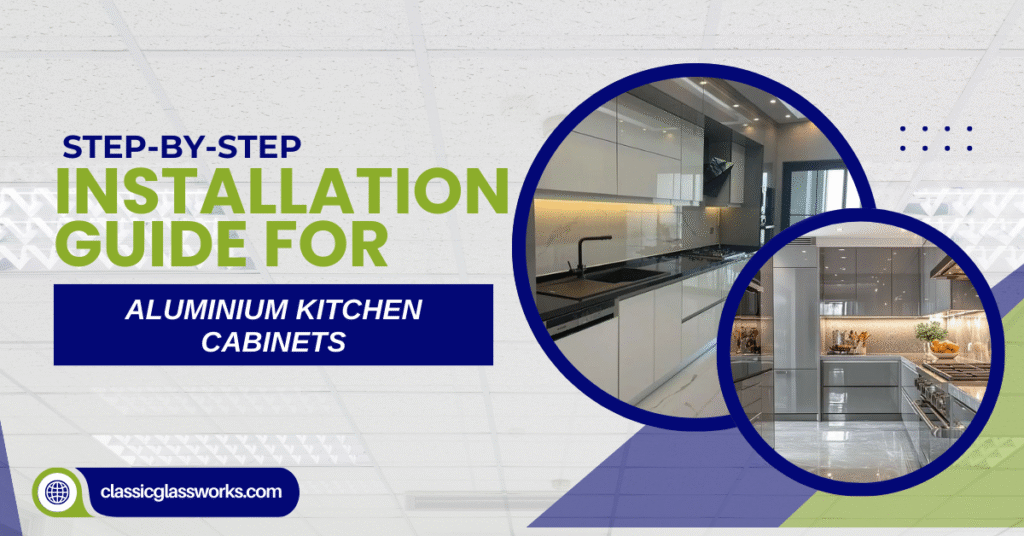
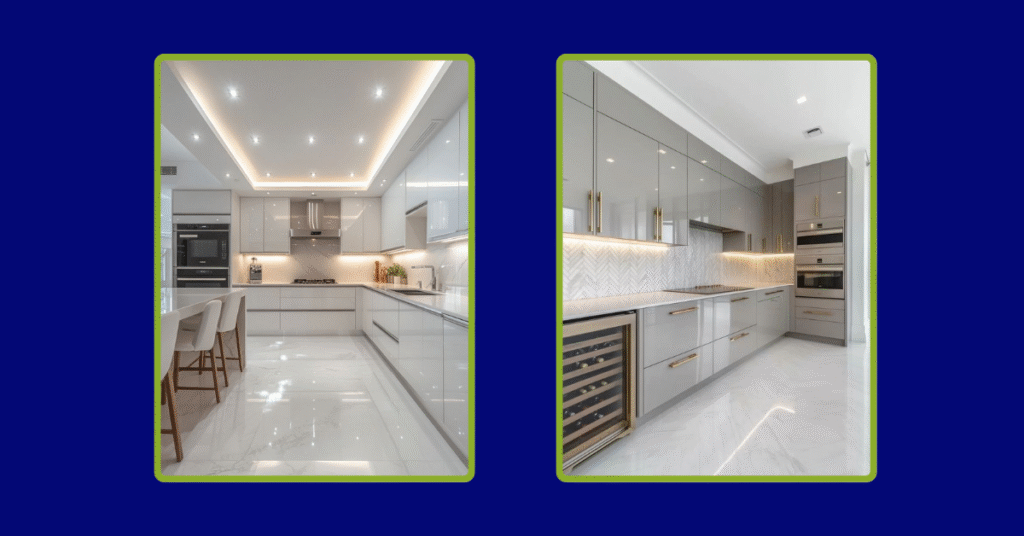
Aluminium kitchen cabinets have become a preferred choice for modern homes in Karachi due to their durability, moisture resistance, and sleek appearance. A proper aluminium kitchen cabinet installation ensures long-term performance, precise alignment, and a clean finish that enhances both functionality and aesthetics. At Classic Aluminium and Glass Works, we follow a structured installation process designed specifically for local kitchen layouts, climate conditions, and daily usage requirements.
Why Aluminium Kitchen Cabinet Installation Is the Best Choice for Karachi Homes
Karachi’s humid environment and frequent temperature changes demand materials that can withstand moisture and heat without warping or swelling. Aluminium cabinets remain stable in such conditions and are resistant to termites, rust, and mold. A well-planned installation also allows for better airflow, easy cleaning, and longer cabinet life, making aluminium an ideal solution for apartments, houses, and commercial kitchens across the city.
Overview of Aluminium Kitchen Cabinet Installation Process
The installation process involves careful planning, precise measurements, and secure fixing techniques. Each stage focuses on strength, balance, and accessibility. Proper execution ensures that cabinets carry weight evenly, doors open smoothly, and drawers function without friction. Following professional aluminium kitchen cabinets installation steps also helps avoid common issues such as uneven doors or loose fittings.
Step-by-Step Aluminium Kitchen Cabinet Installation Guide
Step 1: Accurate Kitchen Measurement and Layout Planning
Installation begins with measuring wall length, ceiling height, and appliance placement. Accurate measurements help determine cabinet size, spacing, and alignment. Planning also includes deciding storage zones, cooking workflow, and clearance for doors and drawers. A detailed layout ensures the cabinets fit perfectly without last-minute modifications.
Step 2: Wall Preparation Before Aluminium Kitchen Cabinet Installation
Before mounting begins, walls must be cleaned, leveled, and checked for structural strength. Weak or uneven walls can compromise cabinet stability over time. Marking reference lines helps maintain straight alignment and simplifies the kitchen cabinet wall fixing process. This step is crucial for achieving a balanced and professional finish.
Step 3: Base Cabinet Installation for Aluminium Kitchen Cabinets
Base cabinet installation forms the foundation of the entire kitchen layout. Cabinets are placed according to the marked layout and adjusted using leveling feet or shims. Each unit must sit flat on the floor to prevent stress on joints and frames. Once aligned, cabinets are securely anchored to the wall to ensure long-term stability and load support.
Step 4: Wall-Mounted Aluminium Kitchen Cabinet Installation
Wall cabinets are installed after the base units are secured. Proper height placement ensures comfortable access and sufficient countertop clearance. Strong anchors and brackets are used to support the cabinet weight evenly. Accurate fixing at this stage prevents sagging and ensures the cabinets remain firmly attached over time.
Step 5: Aluminium Cabinet Door, Hinges, and Drawer Channel Fitting
After cabinet frames are installed, attention shifts to cabinet hardware installation. Hinges, drawer channels, and handles are fitted carefully to ensure smooth operation. Doors are adjusted for even gaps, and drawers are tested for full extension. Proper hardware fitting improves daily usability and extends the life of moving components.
Step 6: Cabinet Alignment, Levelling, and Final Fixing
Final adjustments are made to ensure all cabinets align correctly with each other. Minor tweaks improve door balance, drawer movement, and overall appearance. Once alignment is confirmed, final tightening is completed. This step ensures the cabinets remain secure during daily use and heavy storage.
Tools and Materials Required for Aluminium Kitchen Cabinet Installation
Professional installation requires measuring tapes, spirit levels, drills, anchors, screws, brackets, and safety equipment. Using the correct tools improves precision and prevents damage to cabinet surfaces. High-quality fasteners also play a key role in long-term durability, especially in busy kitchens.
Common Mistakes to Avoid During Aluminium Kitchen Cabinet Installation
Skipping wall inspection, ignoring leveling, or using low-quality fixings can lead to misalignment and reduced lifespan. Rushing through installation often causes uneven doors and unstable cabinets. Avoiding these mistakes ensures the cabinets maintain their structure and appearance over time
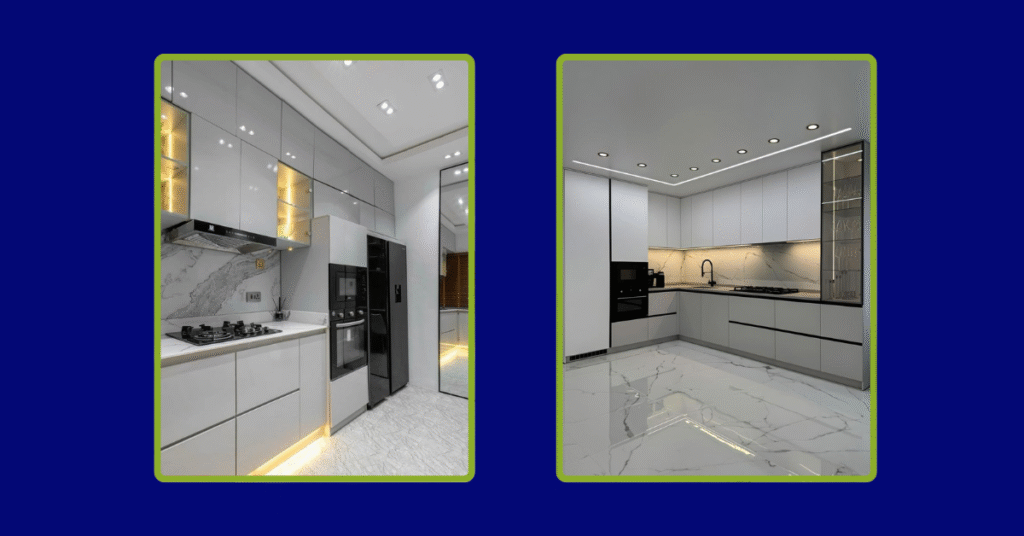
DIY vs Professional Aluminium Kitchen Cabinet Installation in Karachi
While DIY installation may seem cost-effective, it often lacks the precision required for aluminium systems. Professional installers understand load distribution, fixing techniques, and layout optimization. Hiring experienced professionals reduces errors, saves time, and ensures compliance with safety standards.
Why Choose Classic Aluminium and Glass Works for Aluminium Kitchen Cabinet Installation in Karachi
Classic Aluminium and Glass Works brings years of hands-on experience in aluminium fabrication and installation. Our team understands Karachi’s housing styles, space constraints, and climate challenges. We focus on accurate measurements, strong fixing methods, and clean finishing to deliver reliable results tailored to each client’s needs.
Cost Factors for Aluminium Kitchen Cabinet Installation in Karachi
Installation costs depend on cabinet size, kitchen layout, hardware selection, and wall conditions. Custom designs and premium accessories may increase pricing, while standard layouts reduce installation time. Transparent planning helps homeowners choose options that match their budget without compromising quality.
Maintenance Tips After Aluminium Kitchen Cabinet Installation
Regular cleaning with mild solutions keeps aluminium surfaces looking new. Periodic checks on hinges and drawer channels help maintain smooth movement. Avoid overloading cabinets to preserve alignment and fixing strength. Simple maintenance ensures long-term performance and appearance.