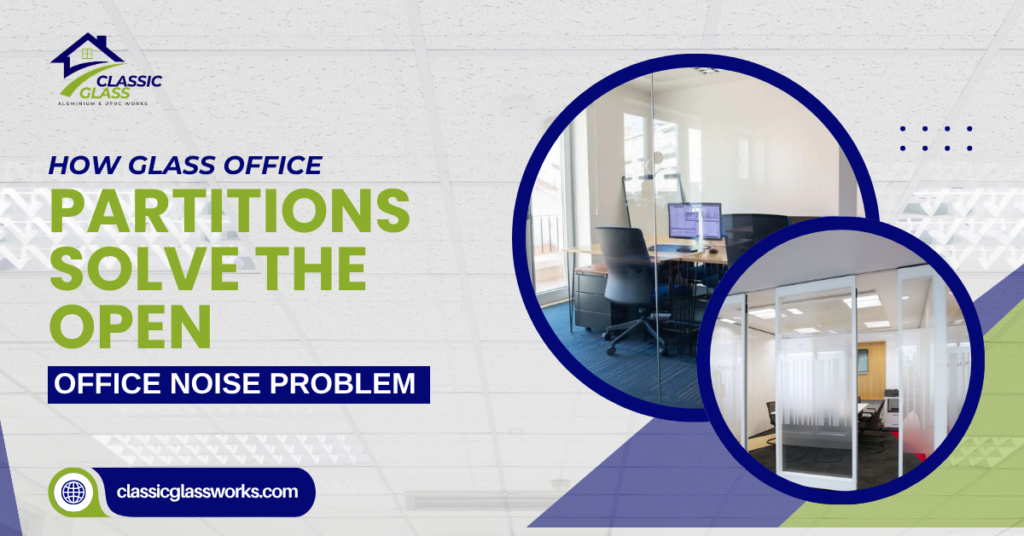
If you have ever tried to focus in a busy open-plan office, you know how hard it can be. Phones ringing, colleagues chatting, keyboards clicking — the noise never stops. This is one of the biggest problems in modern workplaces. The good news? Acoustic glass office partitions are a simple and stylish solution that more and more businesses are choosing today.
In this article, we will explain what acoustic glass partitions are, how they work, and why they are the smartest choice for office noise reduction in 2026 and beyond.
What Is an Open Office — And Why Is Noise Such a Big Problem?
An open-plan office is a workspace where there are no walls between desks. Everyone sits together in one big space. Many companies love this design because it encourages teamwork and saves space. But there is a serious downside: noise.
Studies show that noise is the number one complaint from office workers worldwide. When people cannot concentrate, their productivity drops. Mistakes increase. Stress levels rise. According to research from the World Green Building Council, poor acoustics can reduce worker productivity by up to 66%. That is a huge number.
This is why noise control in offices has become such an important topic for business owners, architects, and interior designers.
What Are Acoustic Glass Office Partitions?
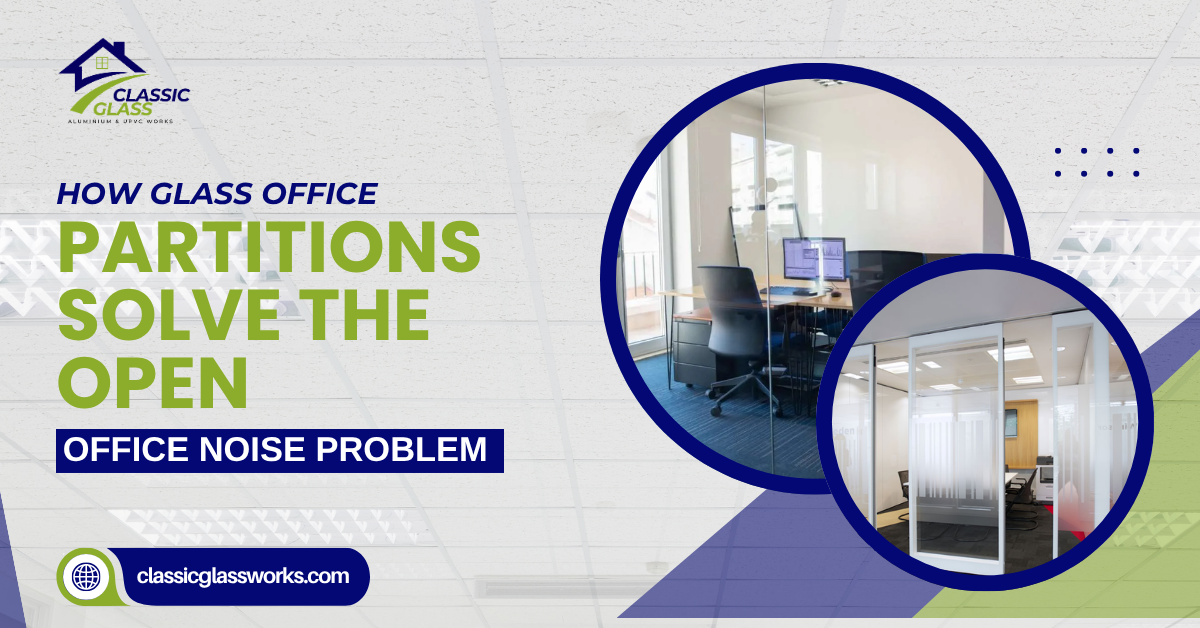
Acoustic glass office partitions are specially designed glass walls or dividers that block sound from passing through. Unlike regular glass, which lets most sound travel through easily, acoustic glass is built to absorb and reduce noise.
These partitions are usually installed from the floor to the ceiling, which is why you will often hear the term floor-to-ceiling glass partitions. This full-height design is important because sound can travel over, under, and around partial dividers. A complete seal gives you the best acoustic performance.
How Are They Different from Regular Glass?
Regular glass is hard and dense. It reflects some sound but still allows a lot of noise to pass through. Acoustic glass, on the other hand, is specially engineered using one of two key methods:
- Laminated Acoustic Glass
- Double Glazed Acoustic Systems
Let us look at each one in more detail.
Laminated Acoustic Glass — The Smart Choice for Offices
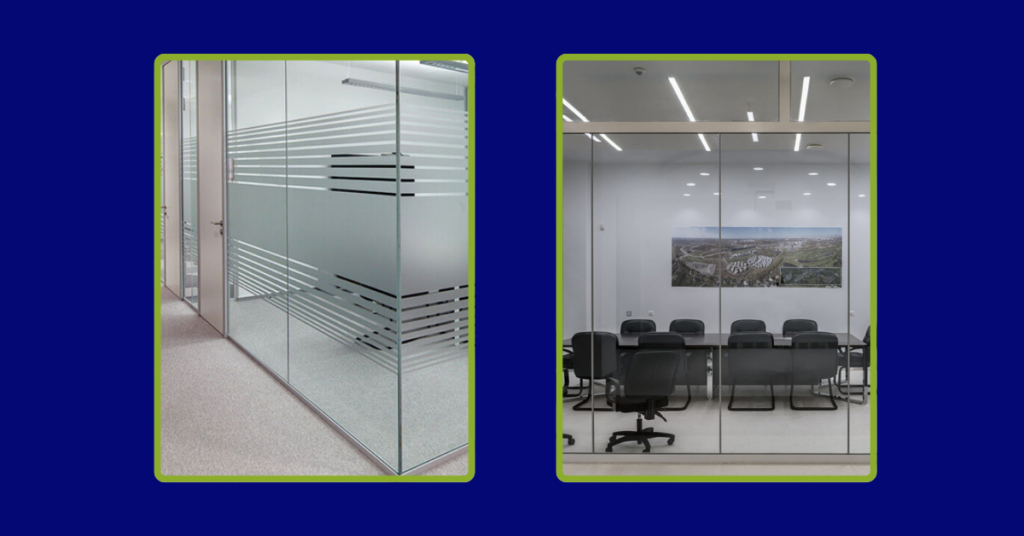
Laminated acoustic glass is made by bonding two or more layers of glass together with a special plastic interlayer called PVB (polyvinyl butyral). This interlayer acts like a sound absorber. When noise hits the glass, the PVB layer stops the vibrations from passing all the way through.
This type of soundproof office glass is great for single-panel partitions. It is slimmer, lighter, and easier to install than double-glazed systems. If your office has a clean, minimalist design, laminated glass is often the preferred option.
Key benefits of laminated acoustic glass:
- Reduces noise by up to 40 decibels (dB)
- Thinner profile — ideal for modern office aesthetics
- Also provides safety benefits — the interlayer holds the glass together if it breaks
• Available in clear, frosted, or tinted finishes
Double Glazed Acoustic Systems — Maximum Soundproofing
Double-glazed acoustic systems use two separate panes of glass with an air gap or gas-filled cavity in between. This gap is what makes the real difference. Sound waves lose energy as they try to cross the air space, which means much less noise gets through to the other side.
These systems are the top choice when you need the highest level of office soundproofing solutions. They are commonly used in:
- Private executive offices
- Conference rooms and boardrooms
- HR and legal consultation rooms
- Recording studios within office buildings
Double-glazed partitions can reduce noise by 45 to 55 decibels, which is enough to make a room feel completely quiet even when the open-plan area outside is very busy.
How Do Acoustic Glass Partitions Solve the Open Office Noise Problem?
Now we get to the heart of the matter. Here is exactly how acoustic glass partitions tackle open-plan office noise control:
They Create Quiet Zones Without Closing Off the Space
One of the biggest advantages of glass partitions is that they let natural light pass through while blocking sound. You can create a quiet, focused workspace — a phone booth, a private office, or a meeting room — without making the office feel closed off or dark.
Employees get the best of both worlds: the openness of an open-plan layout and the peace of a private office.
They Reduce Distracting Background Noise
Even partial sound reduction makes a massive difference to concentration. When you lower background noise by just 10 dB, most people feel the space is twice as quiet. Glass partition soundproofing can easily achieve reductions of 35 to 55 dB, which is a game-changer for productivity.
They Improve Speech Privacy
In many offices, private conversations are not really private. HR meetings, client calls, and performance reviews can be overheard. Acoustic glass creates a proper speech privacy barrier, so sensitive conversations stay confidential.
They Support Better Acoustic Office Design
Good acoustic office design is not just about blocking noise — it is about managing how sound behaves in a space. Glass partitions work alongside other acoustic solutions like ceiling tiles, carpet, and soft furnishings to create a balanced acoustic environment. This is called workspace acoustic control, and it is increasingly seen as essential in modern office design.
Acoustic Ratings: What Do the Numbers Mean?
When you shop for soundproof office partitions, you will see ratings like Rw or STC. Here is a quick guide:
- Rw 25–30: Basic noise reduction — you can still hear voices, but they are muffled
- Rw 35–40: Good reduction — speech is hard to understand through the glass
- Rw 45–55: Excellent — near-complete speech privacy; suitable for executive offices and boardrooms
Most quality acoustic glass partitions for offices fall in the Rw 38–48 range, which provides very good performance for the vast majority of workplaces.
Real-World Applications: Where Are Acoustic Glass Partitions Used?
Here are some of the most common places you will find acoustic glass office partitions in action:
Tech Companies and Startups
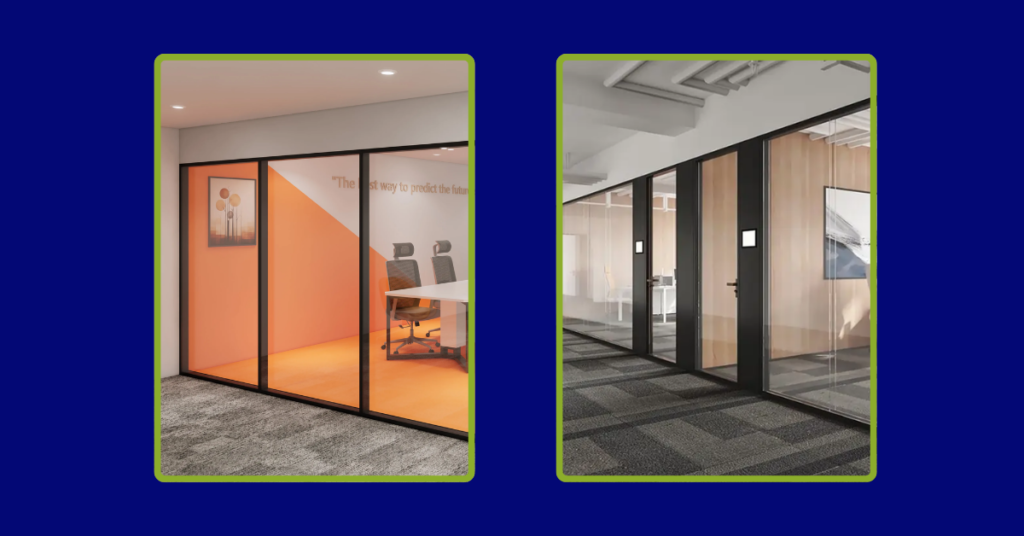
Fast-growing tech companies love open offices, but they also need quiet focus areas for deep work. Acoustic glass creates “pods” or “focus rooms” that blend seamlessly into the open layout.
Law Firms and Financial Services
Confidentiality is critical. Floor-to-ceiling acoustic partitions ensure that others cannot overhear client conversations and sensitive data discussions in the office.
Call Centres
Call centres are notoriously loud. Dividing the space with acoustic glass walls dramatically reduces the overall noise level, improving both agent performance and customer experience.
Healthcare and Wellness Offices
Clinics, therapy centres, and HR departments use acoustic glass partitions to comply with privacy regulations and create a calm, welcoming environment for patients and staff.
Choosing the Right Acoustic Glass Partition for Your Office
Not all partitions are the same. Here are the key things to think about when choosing your office acoustic solutions:
- Acoustic Performance Rating: Look for Rw 40+ for most office applications
- Frame Type: Aluminium framing is durable and slim; timber framing adds warmth
- Glass Finish: Clear for maximum openness; frosted or manifestation film for privacy
- Floor-to-Ceiling Installation: Always opt for full-height to maximise sound blocking
• Integration with HVAC: Ensure the partition system seals properly around ducts and vents — gaps destroy acoustic performance
The Cost of Acoustic Glass Partitions — Is It Worth It?
Many businesses worry about the cost of soundproof office partitions. Yes, acoustic glass is more expensive than standard glass or stud wall partitions. But consider the return on investment:
- Reduced absenteeism: Noisy offices increase stress and sick days
- Higher productivity: Even a 5% productivity gain pays back the cost quickly
- Better talent retention: Employees prefer well-designed, quiet workspaces
- Flexible layouts: Glass partitions can be moved or reconfigured as your business grows
According to CIBSE (the Chartered Institution of Building Services Engineers), investing in good acoustic design is one of the highest-return improvements a business can make to its workspace.
Can acoustic glass completely block all noise?
No glass partition can block 100% of all noise. However, high-quality acoustic glass can reduce noise to a level where it is no longer a distraction, and speech privacy is effectively achieved.
Do I need planning permission to install glass partitions?
In most cases, internal glass partitions in commercial buildings do not require planning permission. However, listed buildings or leased properties may have restrictions. Always check with your landlord and local authority.
How do I maintain acoustic glass partitions?
Acoustic glass is easy to maintain. Regular cleaning with a standard glass cleaner is all that is needed. The seals and gaskets should be checked annually to ensure they are still providing a good acoustic seal.
Can I install acoustic glass partitions in an existing office?
Yes. Most acoustic office partition systems are designed for easy retrofit installation. A professional installer can typically fit a full partition system within one to three days, with minimal disruption to your business.
Final Thoughts: Is It Time to Solve Your Office Noise Problem?
Noise in the open office is not just an annoyance — it is a serious productivity and well-being issue. Acoustic glass office partitions are one of the most effective, attractive, and practical solutions available today.
Whether you choose laminated acoustic glass for a sleek single-panel look or a full double-glazed acoustic system for maximum soundproofing, you are investing in a better, quieter, and more productive workplace.
If you are ready to explore office soundproofing solutions for your workspace, speak to a specialist acoustic partition supplier. They can assess your space, recommend the right system, and give you a quote based on your exact requirements.
Want to learn more about workspace acoustic control and office design? Visit Classic Glass Works for free resources and industry guidelines on creating high-performance workplaces.