Why ACP Cladding Sheet Is Fire-Resistant — Classic Aluminium and Glass Works, Karachi
Fire safety has become a critical concern in modern construction, especially in a fast-growing city like Karachi where high-rise and commercial buildings are increasing rapidly. Builders and architects now prioritize materials that not only enhance appearance but also protect lives and property. An ACP cladding sheet is widely used because it offers durability, design flexibility, and improved fire performance when the right grade is selected. Classic Aluminium and Glass Works provides reliable ACP solutions that meet safety expectations without compromising aesthetics. Understanding why ACP cladding sheets are fire resistant helps builders make informed decisions. This knowledge also supports safer urban development across residential and commercial projects in Karachi.
What Makes Aluminium Composite Panel Fire Resistance Important for Modern Buildings
Aluminium composite panel fire resistance plays a vital role in reducing the spread of flames during fire incidents. Exterior building materials are often the first point of contact with fire, making their performance crucial. ACP cladding sheets are designed to delay ignition and limit flame propagation when manufactured with fire-retardant cores. This feature allows occupants more time to evacuate and reduces structural damage. In Karachi’s dense construction environment, such protection is especially important. Fire-resistant cladding supports compliance with modern safety expectations. It also enhances the long-term value of buildings by improving overall safety ratings.
Composition and Design — How ACP Cladding Sheets Resist Fire
ACP cladding sheets are engineered using a layered structure that contributes directly to fire performance. Each layer serves a functional purpose that enhances safety and stability. The aluminium surface does not ignite easily and acts as a protective barrier against heat. Beneath this surface lies a core that determines how the panel reacts under high temperatures. Fire-rated ACP panels use mineral-filled cores instead of standard polyethylene. This design reduces heat transfer and flame spread. Proper manufacturing ensures consistent performance in real fire scenarios.
Aluminium Composite Panel Structure
The structure of an aluminium composite panel consists of two aluminium sheets bonded to a central core. These aluminium layers reflect heat and resist burning, which slows down external fire impact. The bonding technology also prevents delamination when exposed to high temperatures. This structural stability is essential during emergencies. Quality ACP panels maintain integrity longer than many traditional cladding materials. For Karachi projects, this reliability adds an extra layer of safety. Well-structured ACP sheets support both performance and longevity.
Fire-Retardant vs Standard Cores
The core material is the most important factor in determining fire resistance. Fire-retardant cores contain mineral compounds that resist combustion and reduce smoke emission. Standard cores, on the other hand, may ignite faster under extreme heat. Builders aiming for safer projects should always select FR-grade ACP panels. This choice directly impacts aluminium composite panel fire resistance. In high-risk or high-rise buildings, fire-retardant cores are essential. Classic Aluminium and Glass Works recommends certified FR panels for safety-focused construction.
Fire Safety Compliance ACP Cladding Builders in Karachi Must Know
Fire safety compliance ACP cladding builders must consider local and international standards before installation. Regulations focus on flame spread, smoke development, and heat resistance. Karachi builders increasingly follow tested and certified materials to meet approval requirements. ACP panels that pass fire performance tests provide confidence to developers and occupants. Compliance is not only a legal requirement but also a responsibility. Using certified fire-resistant ACP panels reduces liability risks. It also improves trust in construction quality across the city.
Key Fire Testing Standards
Fire-rated ACP panels are tested under recognized standards such as ASTM and EN classifications. These tests measure how panels behave under direct flame and prolonged heat exposure. Results help builders select appropriate materials for specific building types. Panels that meet these standards contribute to safer exterior wall systems. For Karachi’s climate and urban density, tested performance is critical. Certified ACP panels ensure predictable behavior during emergencies. This reliability supports better planning and safer building designs.
How Heat Resistant Wall Panels Protect Structures
Heat resistant wall panels play a significant role in controlling fire damage. They slow down temperature transfer from the exterior to internal building spaces. This delay helps prevent rapid fire spread between floors. ACP panels with fire-retardant cores perform well as heat resistant wall panels in various applications. Their controlled reaction to heat reduces structural stress. This protection is valuable in both residential and commercial projects. In Karachi, heat resistance also supports durability under extreme weather conditions.
Benefits of Heat Resistant Wall Panels in Fire Incidents
Heat resistant wall panels reduce the intensity of fire exposure on load-bearing elements. They also limit smoke production, improving visibility during evacuation. ACP panels maintain shape longer, reducing falling debris risk. This stability supports firefighter access and emergency response. For mixed-use buildings, such performance is critical. Heat resistant wall panels for fireplace areas also require similar properties. ACP solutions provide balanced safety and design flexibility.
Exterior Wall Fire Protection Using FR-Grade ACP Cladding
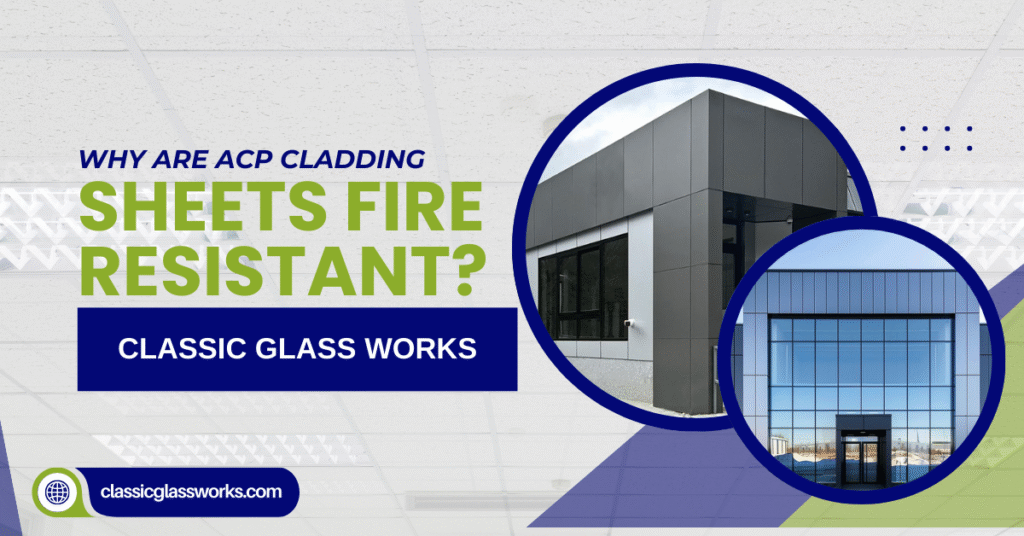
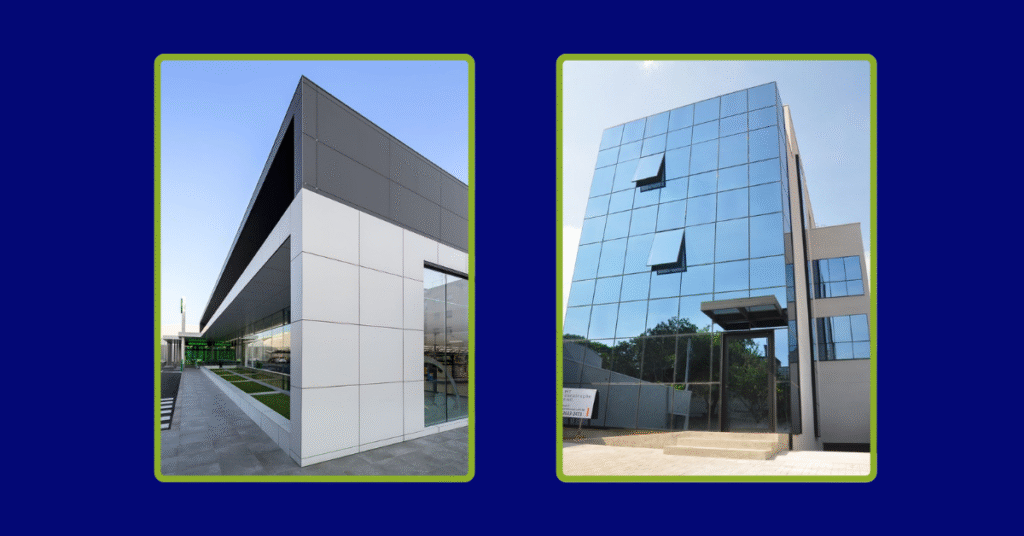
Exterior wall fire protection is one of the strongest advantages of FR-grade ACP cladding. These panels create a protective envelope around the building. They reduce vertical and horizontal flame spread along façades. This is especially important in closely spaced Karachi developments. ACP panels also resist environmental wear, maintaining performance over time. Fire-resistant exterior walls contribute to safer urban infrastructure. Classic Aluminium and Glass Works focuses on ACP systems designed for long-term exterior wall fire protection.
Choosing the Right ACP Cladding Sheet in Karachi — Tips from Classic Aluminium and Glass Works
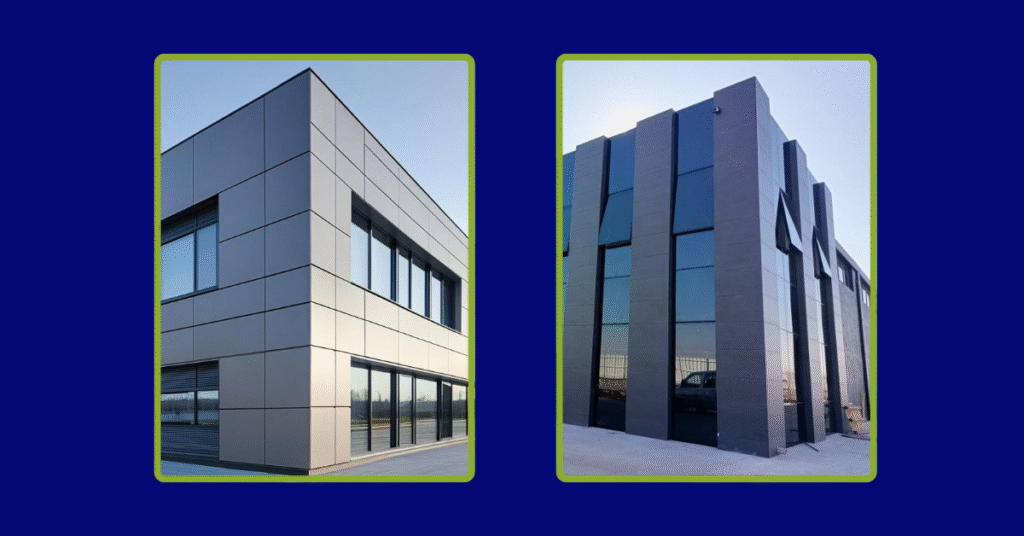
Selecting the right ACP cladding sheet requires attention to certification, core type, and installation quality. Builders should verify fire-retardant ratings before purchase. Proper installation ensures panels perform as intended during fire exposure. Ventilation gaps and fixing systems also influence safety outcomes. In Karachi, experienced suppliers play a key role in correct material selection. Classic Aluminium and Glass Works guides clients through every step. This approach ensures both safety compliance and aesthetic success.
ACP Cladding Sheets Performance — Fire Resistance vs Other Materials
Compared to traditional cladding materials, ACP panels offer balanced fire performance and design versatility. Some materials may resist fire but lack durability or visual appeal. ACP panels combine aluminium strength with engineered fire-retardant cores. This combination supports modern architectural needs. Aluminium composite panel fire resistance also improves building lifecycle value. When properly selected, ACP outperforms many alternatives in safety and maintenance. This makes it a preferred choice for Karachi builders.
Conclusion
ACP cladding sheets are fire resistant because of their engineered structure, aluminium layers, and fire-retardant cores. These features make them a reliable solution for modern construction in Karachi. From exterior wall fire protection to heat resistant wall panels, ACP offers comprehensive safety benefits. Classic Aluminium and Glass Works provides high-quality ACP solutions designed for compliance and performance. Choosing the right ACP cladding sheet protects both people and property. Fire safety is not an option; it is a responsibility in today’s urban environment.