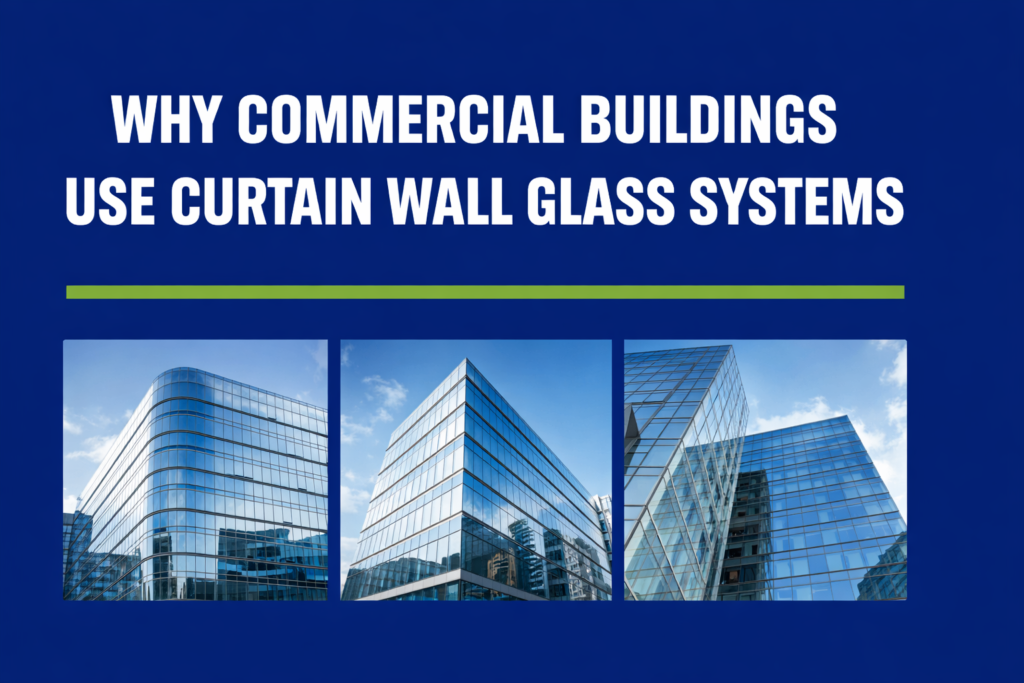
In modern architecture, Curtain Wall Glass Systems have become a defining feature of commercial buildings. From office towers to shopping complexes, these systems offer more than just aesthetic appeal—they improve energy efficiency, safety, and overall functionality. With their sleek appearance and advanced performance benefits, Curtain Wall Glass Systems are increasingly the preferred choice in commercial construction.
What is a Curtain Wall Glass System?
A curtain wall is a non-structural outer covering of a building, often made of glass, aluminum, or other lightweight materials. Unlike traditional walls, curtain walls do not carry the building’s structural load. Instead, they act as a protective and decorative façade that shields the interior from weather, noise, and pollution while allowing natural light to penetrate deep inside the building.
Enhanced Aesthetic Appeal
One of the primary reasons commercial buildings adopt curtain wall glass systems is the visual impact. Glass façades create sleek, modern, and transparent exteriors, offering a sense of openness and sophistication. For companies and brands, this aesthetic translates into prestige, making the building itself a marketing tool.
The reflective quality of glass can also complement the surrounding environment, providing stunning cityscape views or creating unique light patterns. Architects value this flexibility, as curtain wall glass systems can be customized in terms of color, texture, and transparency.
Natural Light and Energy Efficiency
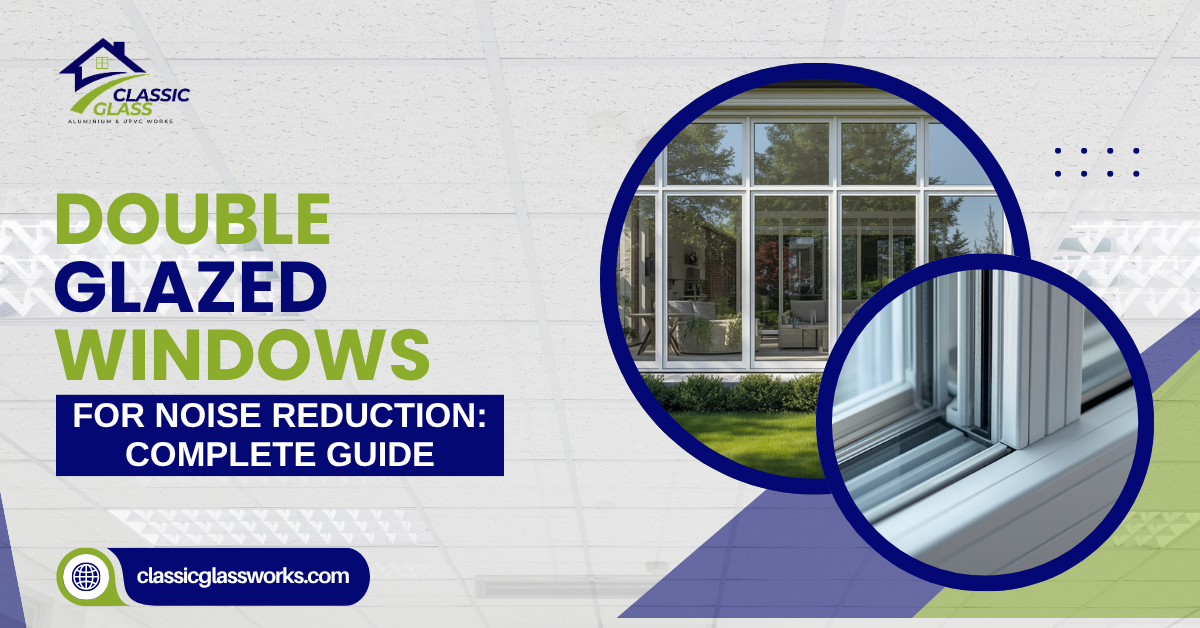
Curtain wall glass systems allow abundant natural light into commercial spaces. Increased daylight reduces the need for artificial lighting, thereby lowering electricity consumption and operational costs. Modern curtain wall systems are designed with energy-efficient glass options, such as double-glazing, low-emissivity (Low-E) coatings, and thermal breaks, helping to maintain comfortable indoor temperatures year-round.
By improving energy efficiency, buildings not only save on costs but also reduce their carbon footprint—a crucial factor in achieving sustainability certifications like LEED or BREEAM.
Structural Safety and Durability
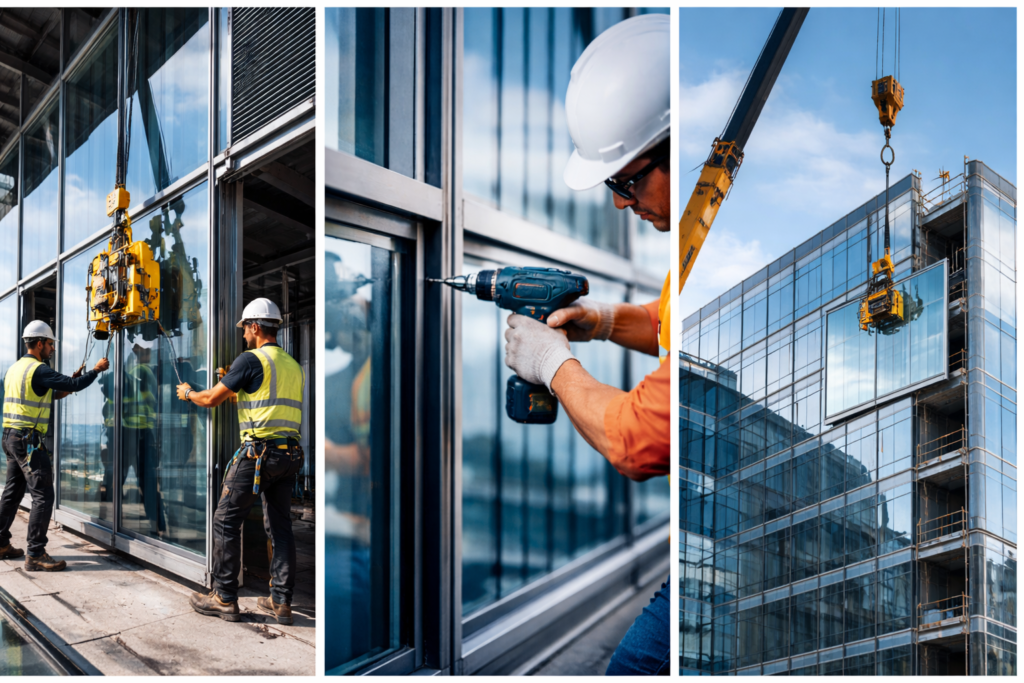
Contrary to the perception that glass is fragile, curtain wall systems are engineered to withstand environmental stressors such as high winds, rain, and seismic activity. High-strength tempered or laminated glass is typically used, offering safety against breakage. In case of damage, laminated glass holds together, reducing the risk of injury.
The supporting frame, usually made of aluminum or steel, is lightweight yet strong, providing structural stability without adding excessive load. This combination of materials ensures the building envelope remains safe and durable for decades.
Thermal and Acoustic Insulation
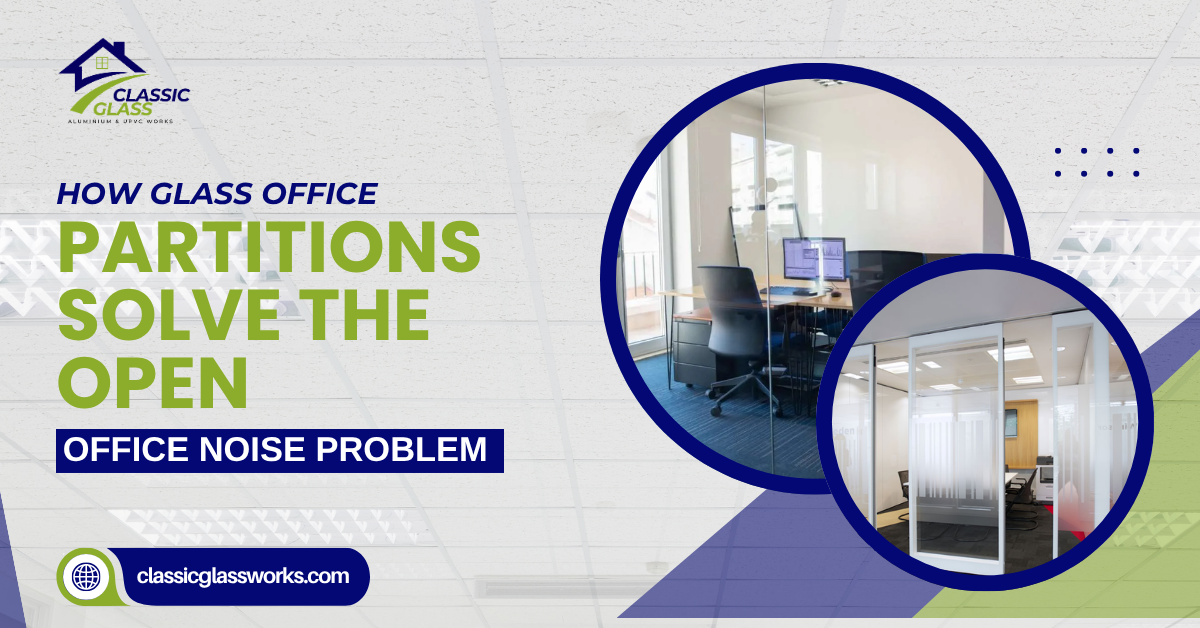
In commercial environments, controlling indoor temperature and noise is essential. Curtain wall glass systems provide excellent thermal insulation, preventing heat loss in winter and reducing heat gain in summer. Similarly, laminated and insulated glass options offer acoustic protection, blocking external noise from busy streets or construction sites, creating a more comfortable workspace.
Flexibility and Speed of Installation
Curtain wall systems are modular, making them easier and faster to install than traditional masonry walls. This modularity also allows for future modifications or expansions without major reconstruction. The lightweight nature of the materials reduces foundation requirements and can accelerate project timelines, saving both time and money.
Sustainability and Environmental Benefits
Sustainability is a significant consideration in today’s construction industry. Glass curtain walls can incorporate recycled materials and are fully recyclable themselves. Coupled with energy-efficient glazing and daylight optimization, these systems contribute to environmentally responsible building practices.
Increased Property Value
Buildings with modern, well-designed curtain wall façades tend to attract higher rental rates and property values. Businesses are willing to pay a premium for office spaces with abundant natural light, modern aesthetics, and energy-efficient features. In commercial real estate, a curtain wall can be a strong investment that pays off over time.
Maintenance and Longevity
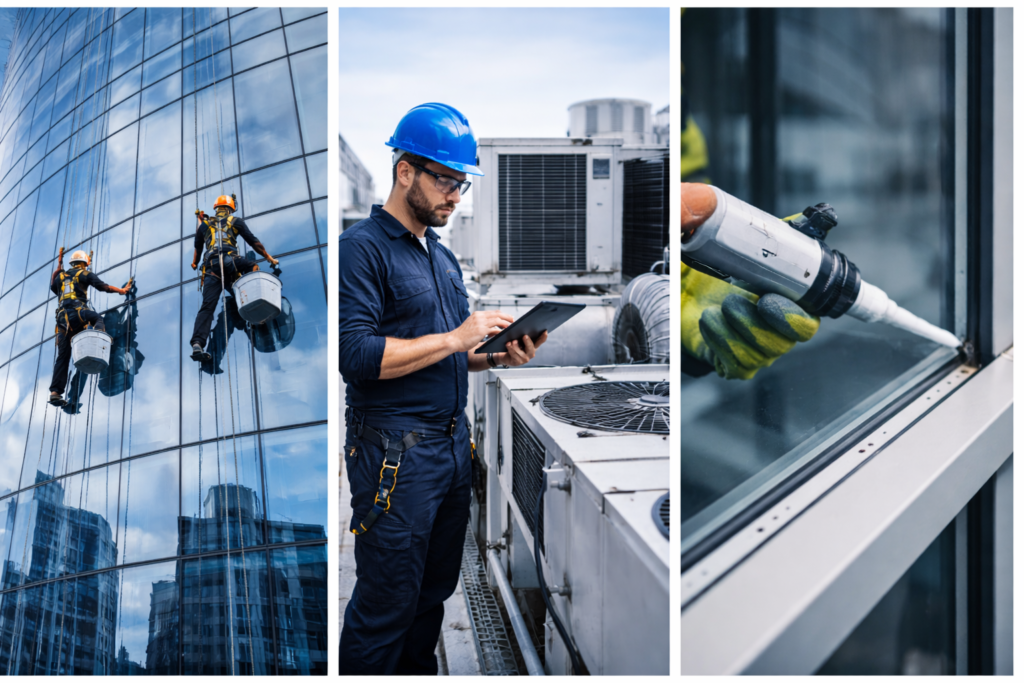
While glass requires cleaning to maintain its appearance, modern curtain wall systems are designed for easy maintenance. Many systems include tilt-out or removable panels for effortless cleaning. High-quality materials resist corrosion, weathering, and discoloration, ensuring that the building maintains its appeal for decades with minimal upkeep.
Conclusion
Curtain wall glass systems are more than just a design trend—they are a practical, sustainable, and aesthetically pleasing choice for commercial buildings. By offering benefits such as energy efficiency, safety, natural light, noise reduction, and enhanced property value, they meet both the functional and visual demands of modern architecture. For developers and architects, investing in a curtain wall system ensures a building that is not only stylish but also efficient and resilient.