Unwanted noise from traffic, construction, neighbors, or busy streets can turn a home into a stressful environment instead of a peaceful retreat. Whether you live in a bustling city in the UK, a high-rise apartment in the UAE, a suburban home in the USA, or a coastal property in Australia, outside noise is one of the most common complaints homeowners raise. The good news is that Double Glazed Windows for Noise Reduction are one of the most effective and long-lasting solutions available today for creating a quieter, more comfortable living space.
In this guide, we’ll break down how Double Glazed Windows for Noise Reduction actually work to block sound, how much noise reduction you can realistically expect, and how factors like glass thickness, laminated glass, and inert gas cavities all play a role. We’ll also compare double glazing with secondary and triple glazing so you can decide what’s right for your home.
What Are Double Glazed Windows?
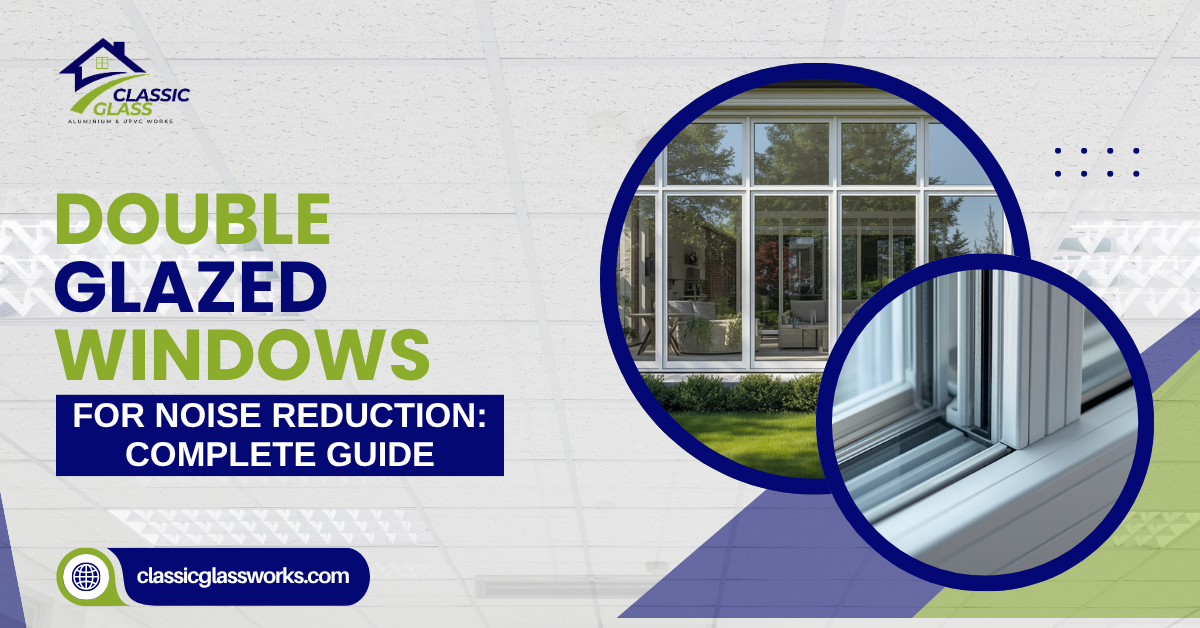
Double glazed windows consist of two panes of glass separated by a sealed air gap or gas-filled cavity, all held together within a single frame — usually uPVC, aluminium, or timber. This design was originally developed to improve thermal insulation, but it also happens to be highly effective at reducing sound transmission.
The two layers of glass, combined with the air or gas gap between them, create a barrier that disrupts sound waves before they can pass through into your living space. This is why the best double glazing uPVC windows for noise reduction have become a popular upgrade for homes near airports, highways, and city centers.
How Double Glazed Windows Reduce Noise
Sound travels as vibration through air and solid materials. A single pane of glass offers very little resistance to these vibrations, which is why old single-glazed windows let in so much outside noise. Double glazing works differently:
- The first pane absorbs and slows down some sound energy.
- The air or gas-filled cavity acts as a buffer, further dampening vibrations.
- The second pane blocks whatever sound energy remains before it reaches the room.
The wider the gap between the panes, and the thicker the glass, the more effective the noise reduction becomes. This is also where an inert gas cavity comes into play — gases like argon are denser than air and slow down sound transmission more effectively.
How Much Noise Can Double Glazed Windows Reduce? (dB)
One of the most searched questions is: double glazing noise reduction dB — how many decibels can you actually expect to cut?
On average:
- Standard double glazing reduces noise by 28–32 dB.
- Acoustic double glazing with laminated glass can reduce noise by 35–42 dB.
- Triple glazing can push reduction even higher, though the gains are often marginal compared to well-designed acoustic double glazing.
To put this in perspective, a reduction of just 10 dB is perceived by the human ear as roughly “half as loud.” So even standard double glazing can make a dramatic difference to how peaceful a room feels.
Importance of Glass Thickness and Glass Composition
Glass thickness for soundproofing is one of the most important — and most overlooked — factors. Thicker glass has more mass, and mass is one of the key principles of sound insulation (this is often called the “mass law” in acoustics).
Using layered glass with two panes of different thicknesses (for example, 4mm and 6mm) is more effective than two panes of identical thickness. This is because sound waves resonate differently with each thickness, reducing the chance of matched frequencies passing straight through — a phenomenon acoustic engineers call the “coincidence effect.”
Laminated Glass vs Standard Double Glazing
Laminated glass for noise reduction is widely considered the gold standard for acoustic performance. Laminated glass consists of two glass layers bonded together with a thin interlayer of polyvinyl butyral (PVB). This interlayer absorbs sound vibrations far more effectively than air alone.
Compared to standard double glazing:
- Laminated glass reduces noise more consistently across low and high frequencies.
- It offers added security, since laminated glass is much harder to break.
- It blocks UV rays, protecting furniture and flooring from sun damage.
For homes near airports, highways, or nightlife areas, upgrading to laminated glass within a double-glazed unit is often worth the extra investment.
Inert Gas Cavity and Air Gap Explained
The gap between the two panes of glass is filled with either air or an inert gas cavity, typically argon or krypton. This gas is denser than regular air, which slows down heat transfer and sound wave propagation simultaneously.
A wider cavity — generally between 16mm and 20mm — tends to perform better acoustically than a narrow gap. However, cavity width must be balanced with frame design and thermal performance requirements, which is why working with an experienced installer matters.
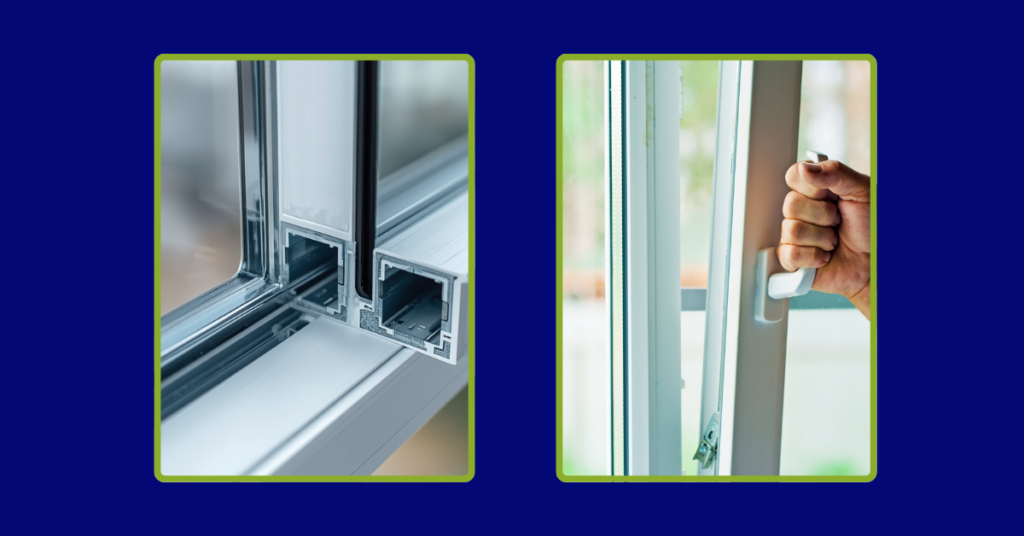
Role of Silicone Sealants in Noise Reduction
Even the best glass and gas combination won’t perform well if the window frame itself has gaps or leaks. Silicone sealants are used around the edges of the window and frame to close any small air pockets where sound (and draughts) could otherwise sneak through.
Poor sealing is actually one of the most common reasons homeowners still hear noise despite having double glazing installed. A tiny, almost invisible gap can undo a significant portion of the acoustic benefit.
Multi-Point Locking and Better Acoustic Sealing
Multi-point locking windows don’t just improve security — they also press the sash more evenly and tightly against the frame’s seals. This creates a more consistent, airtight compression around the entire perimeter of the window, which directly improves noise blocking performance.
Single-point or worn-out locking mechanisms often result in slight gaps at the top or bottom of the window, which is another common cause of sound leakage.
Can uPVC Windows and Doors Reduce Noise Pollution?
Yes — can uPVC windows reduce noise pollution is a frequent question, and the answer is a confident yes when the glazing, sealing, and frame quality are all done correctly. uPVC frames themselves are naturally good insulators against sound because the material doesn’t transmit vibration as readily as metal frames like aluminum.
If you’d like a deeper look at how uPVC performs across different climates and use cases, our guide on the top benefits of uPVC windows for energy-efficient homes covers this in detail.
Why Can I Still Hear Noise Through My Double Glazing?
If you’re asking why you can still hear noise through your double glazing, the issue usually comes down to one of the following:
- Thin or standard glass instead of acoustic-rated glass
- A narrow air gap between panes
- Poor quality or degraded silicone sealants
- Worn-out locking hardware not compressing the seal properly
- Gaps around the frame itself, not the glass
In many cases, the fix isn’t replacing the entire window — it’s upgrading the glazing unit, resealing the frame, or adding acoustic inserts.
Double Glazing vs Secondary Glazing
Secondary glazing involves adding an entirely separate window pane on the inside of your existing window, rather than replacing the window itself. This creates a much larger air gap (often 100mm or more), which can significantly outperform standard double glazing for noise reduction.
Secondary glazing is a popular option for:
- Heritage or listed buildings where the original windows can’t be replaced
- Renters who can’t modify the existing window structure
- Homeowners looking for a lower-cost noise reduction solution
The downside is that secondary glazing adds an extra visible layer inside the room and requires more maintenance than a single upgraded double glazed unit.
Double Glazing vs Triple Glazing
Triple glazed windows add a third pane of glass and a second cavity. While this significantly boosts thermal performance, the acoustic improvement over well-designed acoustic double glazing is often smaller than people expect — sometimes only 1–3 dB better.
For homeowners prioritizing noise reduction specifically, investing in laminated acoustic double glazing often delivers better value than jumping straight to triple glazing, unless thermal performance is equally important.
Acoustic Window Inserts: Are They Worth It?
Acoustic window inserts are an additional glass or acrylic panel installed on the inside of an existing window frame, similar to a lightweight version of secondary glazing. They’re a good middle-ground solution for:
- Budget-conscious homeowners
- Rental properties
- Rooms that need a noise reduction boost without a full window replacement
While not as effective as full acoustic double or triple glazing, inserts can noticeably reduce mid-range frequency noise like traffic and conversation.
If you’re specifically dealing with noise in a commercial or office setting, our article on noise control glass for office partitions explains how similar acoustic principles apply beyond residential windows.
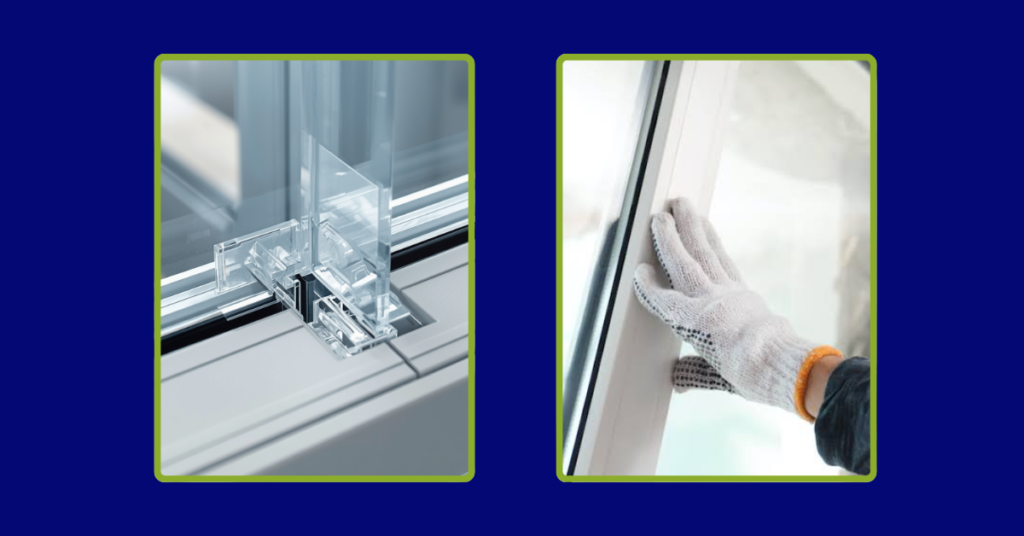
Benefits of Noise Reduction With uPVC Double Glazing
The benefits of noise reduction with uPVC windows go well beyond simply having a quieter room. Homeowners consistently report improvements in:
- Better Sleep – Reduced traffic and street noise leads to fewer disruptions overnight.
- Improved Productivity – A quieter home office means fewer distractions during calls and focused work.
- Privacy – Less sound transmission works both ways, keeping conversations inside more private.
- Energy Efficiency – The same sealed design that blocks noise also blocks heat loss.
- Reduced Stress – Lower ambient noise levels are linked to lower stress and better overall wellbeing.
- Increased Property Value – Acoustic and thermal upgrades are attractive selling points for future buyers.
Cost of Double Glazed Windows
The cost of double glazed windows varies depending on frame material, glass specification, and window size, but as a general guide:
- Standard double glazed uPVC windows are the most budget-friendly option.
- Acoustic laminated glass upgrades add a moderate premium but offer noticeably better noise performance.
- Triple glazing and premium acoustic inserts sit at the higher end of the price range.
While upfront costs are higher than basic single glazing, the long-term savings on energy bills combined with noise reduction benefits make double glazing a strong investment. For homeowners in Pakistan specifically looking at soundproof options, our detailed breakdown on uPVC soundproof windows in Pakistan covers local pricing and product options.
Do Double Glazed Windows Also Reduce Heat?
Yes — do double glazed windows reduce heat is closely related to their noise reduction ability, since both rely on the same sealed cavity design. The trapped air or inert gas between the panes slows down heat transfer in both directions, keeping homes cooler in summer and warmer in winter. This dual benefit is a major reason double glazing has become a standard feature in modern construction across the UK, UAE, USA, and Australia.
Do double glazed windows eliminate outside noise?
No window can block 100% of outside noise, but quality double glazing — especially with laminated acoustic glass — can reduce noise by 30–40 dB, making a significant difference to comfort.
Is laminated glass better than standard double glazing for noise?
Yes, laminated glass generally outperforms standard double glazing because the interlayer specifically dampens sound vibrations rather than relying on air alone.
Should I choose secondary glazing or replace with new double glazing?
Secondary glazing is a good option if you can’t replace existing windows (such as in heritage buildings). Otherwise, upgrading to acoustic double glazing usually offers a cleaner, more permanent solution.
Does the frame material affect noise reduction?
uPVC frames are naturally better at resisting vibration transfer compared to aluminium frames, making them a popular choice for noise-sensitive homes.
Is triple glazing worth it just for noise reduction?
- Not always. If noise is your main concern, acoustic laminated double glazing often provides similar performance at a lower cost than triple glazing.