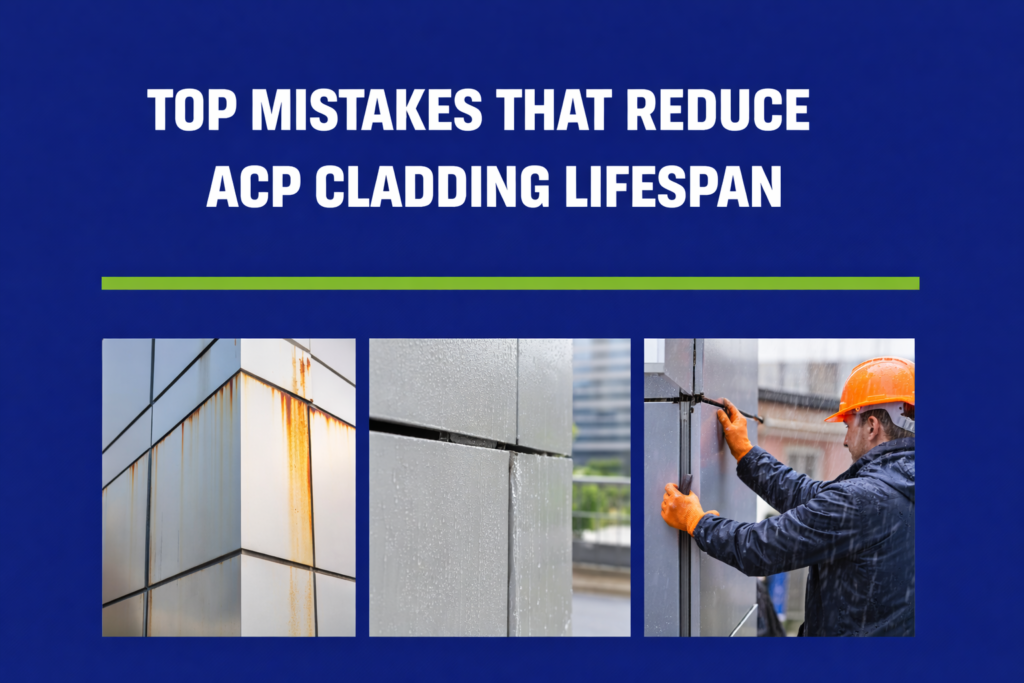
Aluminum Composite Panel (ACP) cladding has become a popular choice in modern construction due to its sleek appearance, durability, and cost-effectiveness. From commercial buildings to residential projects, ACP cladding offers a contemporary look while protecting against environmental factors. However, the ACP Cladding Lifespan depends heavily on proper installation, maintenance, and usage.
Unfortunately, many property owners and contractors make avoidable mistakes that significantly reduce the ACP Cladding Lifespan. Understanding these mistakes can help you maximize your investment and ensure long-term performance.
1. Poor Quality Material Selection
One of the biggest mistakes is choosing low-quality ACP sheets to save costs. Not all ACP panels are created equal. Cheap panels often use inferior aluminum layers and low-grade core materials, which can lead to:
- Early fading and discoloration
- Reduced strength and durability
- Increased risk of delamination
High-quality ACP panels may cost more initially, but they offer better weather resistance and a longer lifespan. Always verify product certifications and supplier reputation before purchasing.
2. Improper Installation Techniques
Even the best materials can fail if installed incorrectly. Poor installation is a leading cause of damage to ACP cladding. Common installation errors include:
- Incorrect fixing methods
- Improper alignment
- Lack of expansion gaps
ACP panels expand and contract with temperature changes. Without proper spacing, panels may warp or crack over time. Hiring experienced professionals ensures proper fitting and structural integrity.
3. Ignoring Weather Conditions
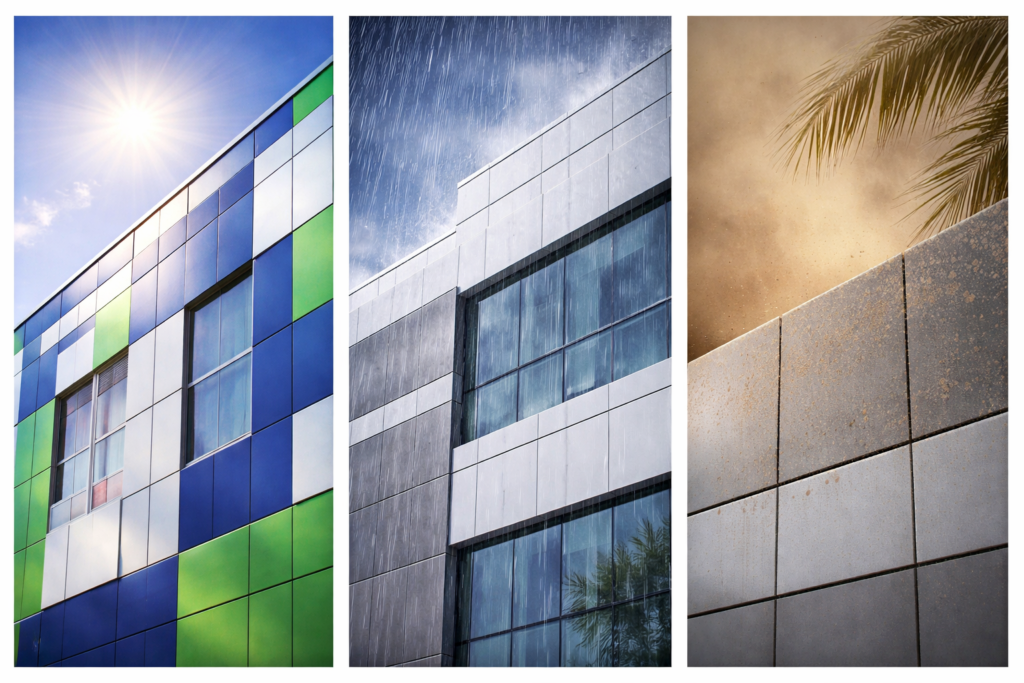
ACP cladding is designed to withstand various weather conditions, but ignoring environmental factors can reduce its lifespan. For example:
- In coastal areas like Karachi, salt in the air can accelerate corrosion
- High UV exposure can fade colors if panels are not UV-resistant
- Heavy rainfall can cause water seepage if the sealing is poor
Choosing weather-resistant coatings and proper sealing techniques is essential for long-term performance.
4. Lack of Regular Maintenance
Many people assume ACP cladding is completely maintenance-free. While it requires less upkeep than other materials, neglecting regular cleaning can lead to:
- Dirt and pollutant buildup
- Stains and discoloration
- Surface degradation
Simple cleaning with mild detergent and water every few months can keep the panels looking new and extend their lifespan.
5. Using Incompatible Sealants
Sealants play a critical role in preventing water leakage and maintaining panel integrity. Using low-quality or incompatible sealants can result in:
- Cracks and gaps
- Water infiltration
- Structural damage
Always use recommended sealants that are compatible with ACP materials and suitable for the local climate.
6. Poor Structural Support
ACP panels rely on a strong support system. Weak or improperly designed framing can cause:
- Panel vibrations
- Loosening of fasteners
- Long-term structural damage
A well-designed substructure ensures stability and enhances the durability of the cladding system.
7. Skipping Protective Coating Checks
ACP panels often come with protective coatings such as PVDF or polyester finishes. These coatings protect against UV rays, moisture, and pollutants. Ignoring their quality or skipping inspections can lead to:
- Early fading
- Surface peeling
- Reduced resistance to environmental damage
Regular inspection helps identify coating issues before they become serious problems.
8. Incorrect Panel Thickness Selection
Choosing the wrong panel thickness for your project is another common mistake. Thinner panels may be cheaper, but are more prone to:
- Bending and denting
- Reduced wind resistance
- Shorter lifespan
Always select panel thickness based on building height, location, and environmental exposure.
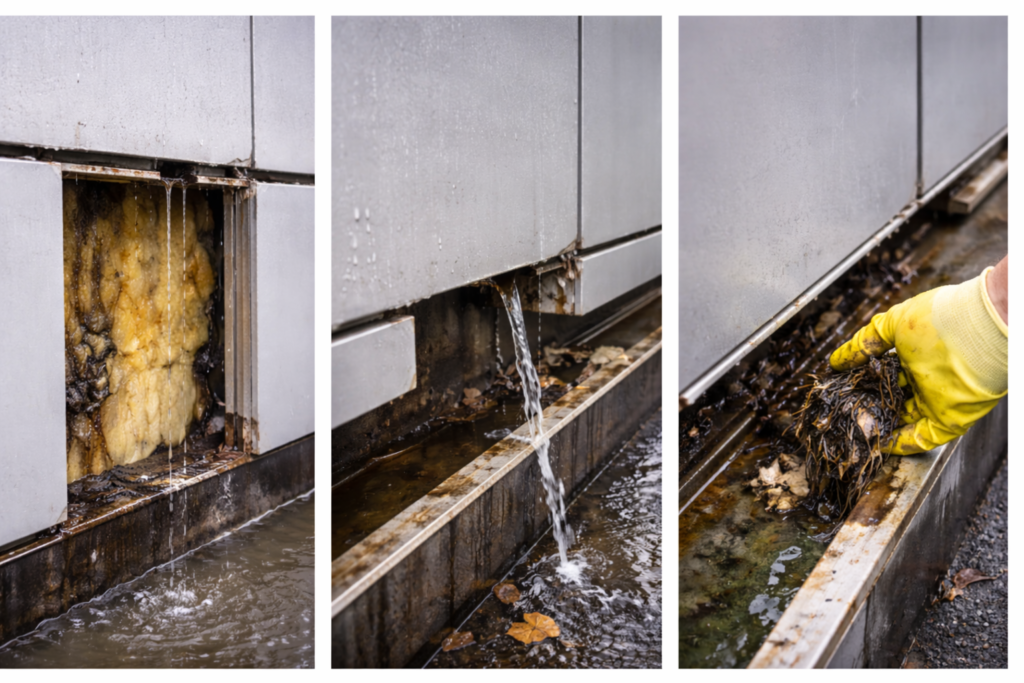
9. Lack of Proper Drainage System
Water accumulation behind ACP panels can cause severe damage over time. Without proper drainage:
- Moisture can weaken the structure
- Mold and mildew may develop
- Panels may deteriorate faster
A proper drainage system ensures water does not get trapped behind the cladding.
10. Hiring Unskilled Contractors
Choosing inexperienced or untrained contractors can lead to multiple issues, from poor installation to the use of substandard materials. Skilled professionals understand:
- Correct installation techniques
- Material compatibility
- Safety standards
Investing in experienced contractors is essential for long-lasting ACP cladding.
Final Thoughts
ACP cladding is a smart investment for modern buildings, offering both aesthetic appeal and functional benefits. However, its lifespan can be significantly reduced by common mistakes such as poor material selection, improper installation, and lack of maintenance.
By avoiding these errors and following best practices, you can ensure that your ACP cladding remains durable, attractive, and cost-effective for years to come.
If you are looking for professional ACP cladding services, Classic Glass Works is one of the best companies in Karachi, known for delivering high-quality materials, expert installation, and reliable service. Choosing the right company can make all the difference in maximizing the lifespan of your cladding.